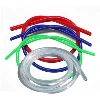
Rubber automotive parts are widely used, from tiny seals to large suspension bushings. For example, in braking systems, rubber brake hoses are responsible for transmitting brake fluid, and their pressure resistance and aging resistance directly affect driving safety. Around the engine, various rubber hoses and seals play crucial roles in preventing leaks and damping vibrations. In the vehicle body, rubber sealing strips not only improve cabin quietness but also prevent rainwater and dust intrusion, protecting the vehicle's interior environment.
With the rapid development of the automotive industry and consumers' increasing demands for vehicle performance, comfort, and environmental friendliness, rubber automotive parts are evolving towards higher performance, lighter weight, and more environmentally friendly designs. The development of new rubber materials, such as fluororubber and silicone rubber, with their superior heat resistance, oil resistance, and chemical corrosion resistance, is being applied in more demanding working environments. Simultaneously, optimizing design and manufacturing processes to achieve lighter parts helps improve fuel economy and reduce emissions. Furthermore, increasingly stringent environmental regulations are prompting rubber part manufacturers to adopt more environmentally friendly materials and production processes to reduce their environmental impact.