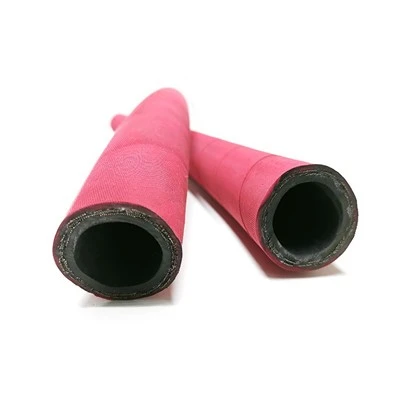
Hey there! As a rubber oil hose supplier, I often get asked about how to connect a rubber oil hose to other parts. It might seem like a daunting task, but with the right knowledge and a bit of elbow grease, you'll be able to handle it like a pro. In this blog, I'll walk you through the whole process, step by step.
Understanding Your Rubber Oil Hose
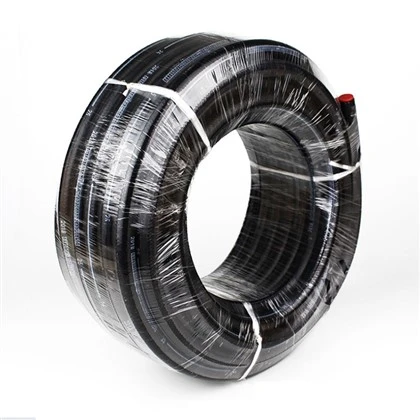
Before we dive into the connection process, let's talk a bit about rubber oil hoses. They're made to handle different types of oils, like Fuel Oil Hose. These hoses are built tough to resist abrasion, heat, and chemical reactions that can occur when in contact with oil.
There are different types of rubber used in making these hoses. The most common ones include nitrile rubber, which is great for resistance against oil and fuel. Neoprene rubber is another option; it's more resistant to ozone and weather conditions, making it suitable for outdoor use.
The first thing you need to do is make sure you've got the right hose for the job. Check the specifications, like the inner diameter, outer diameter, and working pressure rating. If you pick the wrong hose, it could lead to leaks, which are not only messy but can also be dangerous.
Preparing for the Connection
Now, let's get ready to connect the hose. First off, gather all the tools you'll need. You'll probably need a wrench, depending on the type of connection you're making. A good pair of pliers can also come in handy, especially when tightening clamps.
Next, clean the ends of the hose and the parts you're connecting it to. any dirt, oil, or debris can prevent a tight seal. Use a clean cloth and some appropriate cleaning solution. Make sure everything is completely dry before you start the connection process.
Measure the length of the hose you need. You don't want it too long or too short. A hose that's too long can get tangled, while one that's too short might not reach where it needs to go or could put too much stress on the connection points.
Types of Connections
There are a few different ways to connect a rubber oil hose to other parts. Let's go over the most common ones.
1. Barb Fittings
Barb fittings are one of the most basic and popular ways to connect a hose. These fittings have ridges on the end that grip the inside of the hose.
To connect using barb fittings, first, lubricate the end of the fitting with a bit of oil or a hose lubricant. This will make it easier to slide the hose onto the fitting. Then, carefully push the hose onto the barb. Make sure you push it all the way on until it reaches the stop.
Once the hose is on the barb, use a hose clamp to secure it. Place the clamp around the hose, over the area where it's on the barb. Tighten the clamp with a screwdriver or a wrench. You want it tight enough to prevent leaks but not so tight that it damages the hose.
2. Flange Connections
Flange connections are used when you need a more secure and leak - proof connection, especially in high - pressure systems.
Start by aligning the flange on the hose with the flange on the other part. Make sure all the bolt holes line up properly. Place a gasket between the two flanges. The gasket helps to create a tight seal.
Insert the bolts through the holes and add washers and nuts. Tighten the nuts in a criss - cross pattern. This ensures that the pressure is evenly distributed across the flange, preventing leaks. Use a torque wrench to tighten the nuts to the recommended torque specification. This is really important, as over - tightening or under - tightening can lead to problems.
3. Threaded Connections
Threaded connections are also common. You'll find male and female threaded parts.
If you're using a threaded connection, first apply a thread sealant to the male threads. This helps to prevent leaks. Then, carefully screw the male threaded part into the female threaded part. Turn it clockwise until it's snug. Don't over - tighten, as this can damage the threads.
Testing the Connection
Once you've made the connection, it's crucial to test it for leaks. You don't want to find out there's a problem after you've started using the system.
If it's a low - pressure system, you can do a simple visual inspection. Look for any signs of oil dripping or seeping around the connection points. You can also use a piece of paper or a cloth to check for any wet spots.
For high - pressure systems, you might need to do a pressure test. This involves pressurizing the system to the working pressure and monitoring it for a set period. If the pressure drops, it could indicate a leak. In this case, you'll need to find the leak and fix it. It could be a loose clamp, a damaged gasket, or a misaligned connection.
Maintenance and Troubleshooting
After you've successfully connected the hose and tested it, you need to keep up with maintenance. Regularly check the connections for any signs of wear or leakage. If you notice a clamp is loose, tighten it as soon as possible.
If you have a leak, don't panic. First, identify the source. If it's a small leak around a clamp, you can try tightening the clamp a bit more. If there's a problem with a gasket, you'll need to replace it. Make sure to use the correct type of gasket for your application.

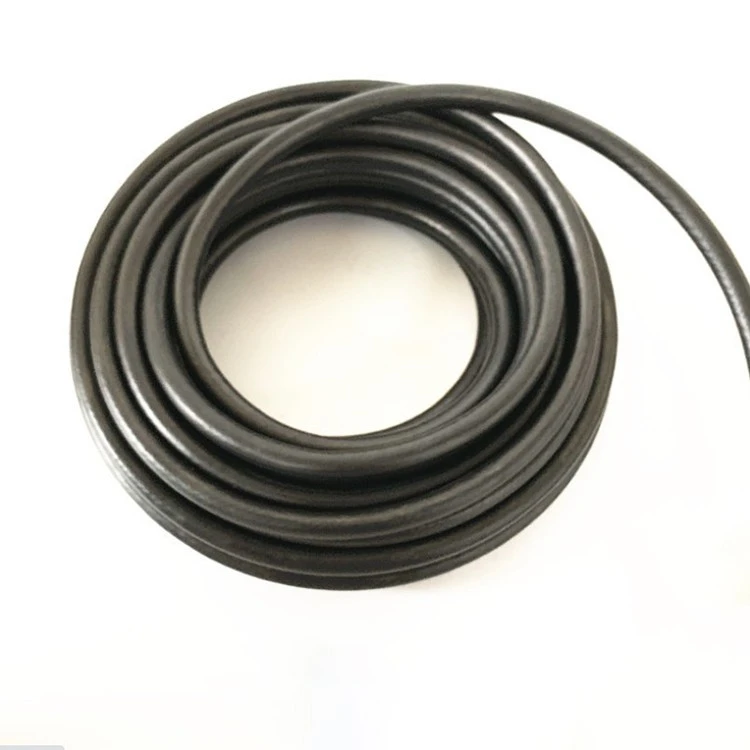
If you're having trouble with a threaded connection and it keeps leaking, you might need to remove the parts, clean the threads, and reapply the thread sealant.
Why Choose Our Rubber Oil Hoses
As a supplier, we take pride in offering high - quality rubber oil hoses. Our hoses are made from the best materials, ensuring durability and reliability. We have a wide range of hoses to suit different applications, whether it's for industrial use, automotive, or marine.
When you choose our hoses, you're getting a product that meets strict quality standards. We've got a team of experts who can help you select the right hose for your specific needs. And if you have any questions about connecting the hose or any other issues, we're here to assist you.
Let's Connect
If you're in the market for rubber oil hoses, or you've got questions about connecting them to other parts, don't hesitate to reach out. We're always happy to have a chat and help you find the perfect solution for your needs. Whether it's a small - scale project or a large - scale industrial application, we've got you covered.
References
- 《工业软管:综合指南》,作者为多位行业专家