Hey there! As an automotive rubber hose supplier, I know just how crucial it is for these hoses to be durable. After all, they're constantly dealing with all sorts of tough conditions in vehicles. So, in this blog, I'm gonna share with you how to test the durability of an automotive rubber hose.
1. Understanding the Basics
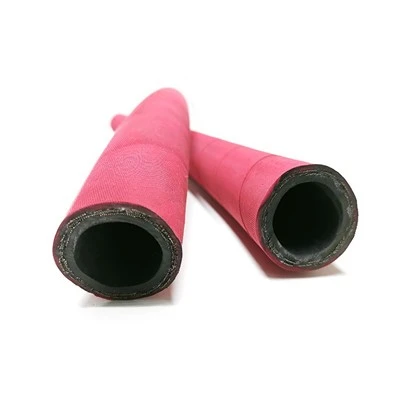
First off, let's talk about why durability testing is so important. Automotive rubber hoses are used in a bunch of different systems, like the cooling system, fuel system, and air - conditioning system. For example, the Automotive Coolant Hose has to handle hot coolant flowing through it all the time, while the Fuel Pump Hose is in contact with gasoline or diesel. If these hoses aren't durable, they can leak, which can lead to all sorts of problems, from engine overheating to fuel spills.
2. Physical Inspection
The first step in testing the durability of an automotive rubber hose is a good old - fashioned physical inspection. You wanna check for any visible signs of damage, like cracks, cuts, or bulges. These can be early indicators that the hose might not be as durable as it should be.
Take a close look at the surface of the hose. Run your fingers along it to feel for any irregularities. If you notice any rough patches or areas where the rubber seems to be separating, that's a red flag. Also, check the ends of the hose where it connects to other components. Loose connections or signs of wear at these points can suggest that the hose won't hold up well over time.
3. Flexing Test
Rubber hoses in vehicles are often subject to bending and flexing as the engine vibrates and the vehicle moves. So, a flexing test is a great way to simulate these real - world conditions.
To perform a flexing test, you'll need a flexing machine or you can do it manually in a basic way. If you're using a machine, secure the hose at both ends and set the machine to repeatedly flex the hose at a specific angle and frequency. This will help you see how well the hose can withstand bending stress over time.
If you're doing it manually, you can gently bend and twist the hose back and forth a certain number of times. Keep an eye out for any signs of cracking or splitting. If the hose starts to show damage during this test, it's likely that it won't last long in a real automotive environment.
4. Pressure Test
Another important aspect of durability is the hose's ability to handle pressure. Different automotive systems operate at different pressures, and the hoses need to be able to withstand these pressures without leaking or bursting.
For a pressure test, you'll need a pressure testing apparatus. Connect the hose to the apparatus and gradually increase the pressure to the maximum operating pressure of the system it's designed for. Hold the pressure for a set period of time, usually around 10 - 15 minutes.
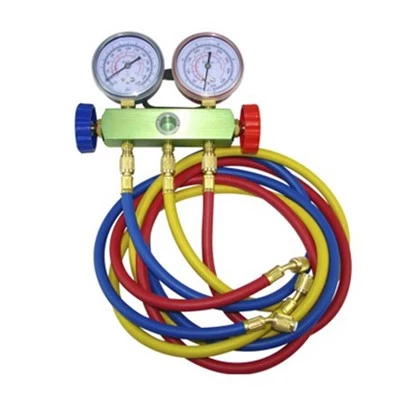
During this test, carefully inspect the hose for any signs of swelling, deformation, or leakage. If the hose can't handle the pressure, it's clearly not durable enough for use in an automotive setting. For instance, the R404A Auto Air Condition Hose in an air - conditioning system has to handle specific refrigerant pressures, and a pressure test will ensure it can do so.
5. Temperature Resistance Test
Automotive rubber hoses are exposed to a wide range of temperatures. In the engine compartment, they can get really hot, while in other parts of the vehicle, they might be exposed to cold temperatures. So, testing their temperature resistance is crucial.
You can use a temperature chamber for this test. Place the hose inside the chamber and subject it to different temperature cycles. For example, you can start with a high - temperature cycle, say around 120 - 150 degrees Celsius for a few hours, and then follow it with a low - temperature cycle, maybe around - 20 to - 40 degrees Celsius.
After each cycle, check the hose for any changes in its physical properties. The rubber might become brittle at low temperatures or start to soften and lose its shape at high temperatures. If the hose shows significant degradation after these temperature cycles, it won't be durable in real - world automotive conditions.


6. Chemical Resistance Test
In an automotive environment, hoses come into contact with various chemicals. The Automotive Coolant Hose is in contact with coolant, which contains chemicals like ethylene glycol. The Fuel Pump Hose is in contact with fuel.
To test chemical resistance, cut small samples of the hose and immerse them in the relevant chemicals for a set period of time, usually a few days to a week. After that, remove the samples and check for any changes in their weight, volume, hardness, or appearance. If the hose swells, loses its strength, or shows signs of corrosion, it's not durable enough to resist the chemicals in the automotive environment.
7. Abrasion Resistance Test
Hoses in vehicles can also be subject to abrasion from other components, cables, or even the movement of the vehicle itself. An abrasion resistance test can help you determine how well the hose can withstand this type of wear.
There are different ways to conduct an abrasion test. One common method is to use an abrasion tester that rubs a surface against the hose with a specific amount of force. You can also do a simple manual test by rubbing a rough object against the hose in a controlled manner.
After the test, check the hose for any signs of wear on its surface. If the rubber wears away easily, the hose won't be durable enough to last in an environment where it might be subject to abrasion.
8. Long - Term Testing
While the above tests can give you a good idea of a hose's durability in a relatively short period, long - term testing is also important. You can install the hose in a real vehicle or a test rig and let it operate under normal conditions for an extended period, say a few months to a year.
During this time, regularly monitor the hose for any signs of degradation. This long - term test will give you a better understanding of how the hose will perform over its entire lifespan.
Conclusion
Testing the durability of an automotive rubber hose is a multi - step process that involves a variety of tests. By conducting these tests, you can ensure that the hoses you use or supply are of high quality and can withstand the harsh conditions in vehicles.
If you're in the market for automotive rubber hoses, whether it's the Air Conditioning Recharge Hose, Automotive Coolant Hose, R404A Auto Air Condition Hose, Fuel Pump Hose, or Car Water Hose, and you want hoses that have been thoroughly tested for durability, feel free to reach out to us. We're here to provide you with the best - quality automotive rubber hoses for your needs. Let's start a conversation and see how we can work together to meet your automotive rubber hose requirements.
References
- "Automotive Rubber Hose Handbook", a collection of industry - wide knowledge about automotive rubber hoses and their testing methods.
- Journal of Automotive Engineering, various research papers on the durability and testing of automotive components including rubber hoses.