Are there any differences in the quality of sanitary rubber hoses from different manufacturers?
As a sanitary rubber hose supplier, I've witnessed firsthand the diverse quality levels that exist within our industry. It's a question I often encounter from customers: Are there any differences in the quality of sanitary rubber hoses from different manufacturers? And the answer is a resounding yes.
Material Selection
One of the most significant factors contributing to quality differences is the choice of materials. High - quality manufacturers invest in premium rubber compounds that are resistant to a variety of chemicals. Sanitary rubber hoses are frequently exposed to water, cleaning agents, and sometimes even mild acids. For example, the rubber used in these hoses should be able to withstand the corrosive effects of bleach over an extended period. Cheaper manufacturers, on the other hand, may opt for substandard rubber materials that can degrade quickly. This not only leads to a shorter lifespan for the hose but can also pose a risk of contamination in a sanitary environment.
There are also different types of rubber polymers used. Natural rubber offers excellent elasticity and flexibility but may not be as resistant to certain chemicals as synthetic rubbers like EPDM (Ethylene Propylene Diene Monomer). A top - notch manufacturer will carefully select the appropriate rubber type based on the intended application of the sanitary hose. If the hose is for a high - temperature application, they'd choose a rubber that can handle the heat without losing its structural integrity.
Manufacturing Processes
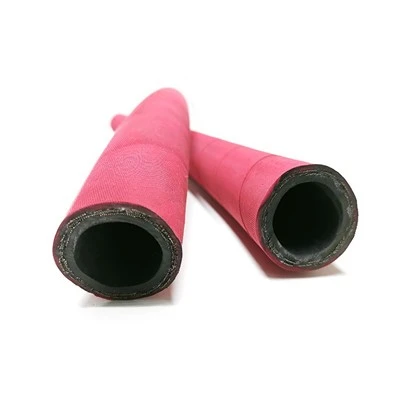
The manufacturing process is another area where differences in quality become apparent. Precision is key when producing sanitary rubber hoses. High - end manufacturers use advanced machinery and techniques to ensure that the hoses have a consistent wall thickness. A uniform wall thickness is crucial as it allows for consistent water flow and pressure distribution. Any irregularities in the wall can lead to weak spots, which may burst under pressure or cause leaks over time.

In addition, quality manufacturers employ strict quality control measures during the manufacturing process. This includes checking for any surface defects, such as bubbles or cracks, in the rubber. They also conduct pressure tests to ensure that the hoses can withstand the maximum operating pressure specified. In contrast, some manufacturers may cut corners on quality control, leading to hoses that may fail prematurely or not meet the required safety standards.
Reinforcement
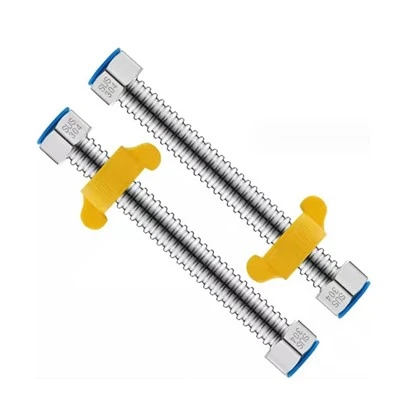
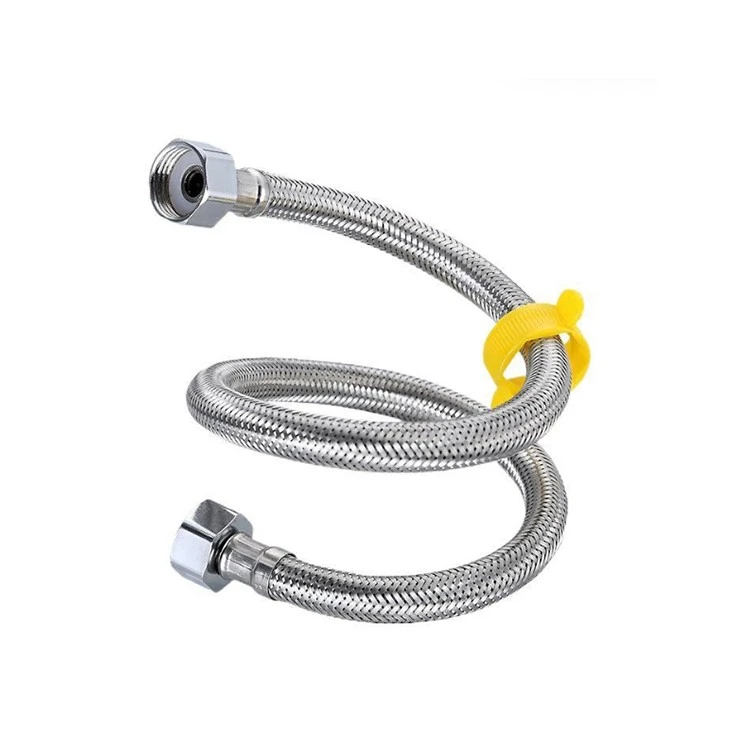
Many sanitary rubber hoses, like the Braided Toilet Hose, are reinforced to enhance their strength. The type and quality of reinforcement can vary widely between manufacturers. High - quality hoses often use braided or spiraled reinforcements made from materials like nylon or stainless - steel. These reinforcements provide additional strength and prevent the hose from kinking or bursting under pressure.
Cheaper hoses may use inferior reinforcement materials or have a less dense reinforcement structure. This can result in hoses that are more prone to damage, especially when bent or twisted. For example, a poorly reinforced hose may start to bulge or split at the bends, which can lead to leaks and potential water damage.
Design and Compatibility
The design of the sanitary rubber hose also plays a role in its quality. A well - designed hose will have smooth inner surfaces to prevent the buildup of dirt, bacteria, and debris. This is essential in a sanitary setting to maintain clean water flow and prevent the growth of harmful microorganisms.
Compatibility with different fittings and fixtures is another important aspect. Quality manufacturers ensure that their hoses are designed to fit a wide range of standard fittings, making installation easier and more reliable. They also take into account factors like temperature and pressure variations during the design process to ensure that the hose performs well under different conditions.
Testing and Certification
Reputable manufacturers subject their sanitary rubber hoses to rigorous testing by independent third - party organizations. These tests verify that the hoses meet industry standards for safety, performance, and durability. Certifications such as NSF (National Sanitation Foundation) indicate that the hose is suitable for use in drinking water systems and meets strict criteria for material safety and water quality.
On the other hand, some manufacturers may not invest in proper testing or may not be able to obtain these important certifications. This can be a red flag for customers, as it raises questions about the safety and quality of the hoses.
Brand Reputation and Customer Support
A well - established brand with a good reputation is more likely to produce high - quality sanitary rubber hoses. Brands that have been in the market for a long time and have positive customer reviews have a stake in maintaining their image. They are more likely to invest in research and development, to improve their products continuously.
Customer support is also an important consideration. Quality manufacturers offer excellent customer support, including technical assistance, warranty options, and after - sales service. This gives customers peace of mind knowing that they can get help if they encounter any problems with the hoses.
In conclusion, the quality of sanitary rubber hoses can vary significantly from one manufacturer to another. As a supplier, I understand the importance of offering high - quality products to our customers. When you're in the market for sanitary rubber hoses, it's crucial to do your research. Look for hoses made from high - quality materials, with proper reinforcement, and that have the necessary certifications. Consider the brand reputation and the level of customer support offered.
If you're interested in purchasing high - quality sanitary rubber hoses, I invite you to reach out. Our team is ready to assist you in finding the right products for your specific needs. Whether it's for a domestic plumbing project or a commercial application, we can provide hoses that meet the highest standards of quality and performance. Contact us to start a discussion about your requirements and let's find the best solutions together.
References
- ASTM International. Standard specifications for rubber hoses used in sanitary applications.
- NSF International. Guidelines for testing and certification of drinking water system components.
- Industry reports on the manufacturing and quality control of rubber hoses.