Extruded silicone hoses are essential components in a wide range of industries, from automotive and aerospace to medical and food processing. As a leading extruded silicone hose supplier, I am often asked about the manufacturing process behind these versatile products. In this blog post, I will take you through the step-by-step process of how extruded silicone hoses are made, from raw materials to the final product.
Raw Materials
The first step in making extruded silicone hoses is selecting the appropriate raw materials. Silicone rubber, the primary material used, is a synthetic elastomer known for its excellent heat resistance, chemical stability, flexibility, and electrical insulation properties. Different grades of silicone rubber are available, each formulated to meet specific application requirements. For example, medical-grade silicone is designed to meet strict biocompatibility standards, while industrial-grade silicone offers high-performance characteristics for tough environments.
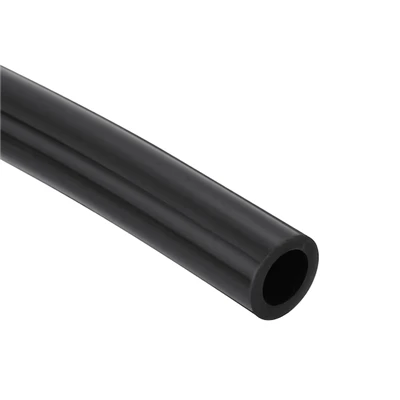
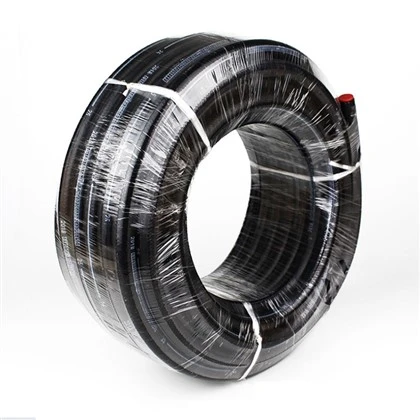
In addition to the base silicone rubber, other additives are often incorporated to enhance specific properties. These can include colorants to achieve the desired hue, such as the Black Silicone Tubing commonly used in various industrial applications. Fillers may also be added to improve mechanical strength, tear resistance, or heat conductivity.
Mixing
Once the raw materials have been selected, they are precisely measured and mixed together in a large mixer. This process ensures that all the ingredients are evenly distributed throughout the silicone compound. The mixing is typically carried out under controlled temperature and pressure conditions to achieve the desired consistency and performance of the rubber.
The mixing process can be quite complex, as it requires careful adjustment of the speed, time, and temperature to ensure proper dispersion of the additives. This step is crucial, as any inconsistencies in the mixture can lead to defects in the final product.
Extrusion
After the mixing is complete, the silicone compound is ready for extrusion. Extrusion is the process of forcing the rubber through a die to create a continuous shape. In the case of silicone hoses, the die is a circular opening with the desired inner and outer diameters of the hose.
The extrusion process begins by loading the silicone compound into a hopper, which feeds the material into an extruder. The extruder consists of a rotating screw inside a heated barrel. As the screw rotates, it pushes the silicone compound forward through the barrel and towards the die. The heat in the barrel softens the rubber, making it more malleable and easier to extrude.
As the silicone compound passes through the die, it takes on the shape of the die opening, forming a continuous tube. The speed of the extruder and the temperature of the barrel are carefully controlled to ensure a consistent wall thickness and smooth surface finish of the hose.
Vulcanization
Once the hose has been extruded, it undergoes a vulcanization process to cross-link the silicone molecules and give the hose its final properties. Vulcanization is typically carried out in an oven or a continuous vulcanization line.
During vulcanization, the hose is heated to a specific temperature for a set period of time. This causes the silicone molecules to form chemical bonds, resulting in a more rigid and durable structure. The vulcanization process can also improve the hose's resistance to heat, chemicals, and aging.
The type of vulcanization method used depends on the specific requirements of the hose. For example, peroxide-cured silicone hoses offer excellent heat resistance and are commonly used in high-temperature applications, such as the High Temperature Silicone Tubing. Addition-cured silicone hoses, on the other hand, are known for their low compression set and are often used in applications where a tight seal is required.
Cooling and Cutting
After vulcanization, the hose is cooled to room temperature to stabilize its shape and properties. Cooling can be achieved through air cooling or water cooling, depending on the size and thickness of the hose.
Once the hose has cooled, it is cut to the desired length. Cutting is typically done using a sharp blade or a laser cutter. The length of the hose can vary depending on the application, with some hoses being cut to standard lengths, while others are custom-cut to meet specific customer requirements.
Quality Control
Throughout the manufacturing process, strict quality control measures are in place to ensure that the extruded silicone hoses meet the highest standards. Quality control begins with the inspection of the raw materials to ensure they meet the specified requirements.
During extrusion and vulcanization, the hoses are continuously monitored for dimensional accuracy, wall thickness, and surface finish. Samples are also taken at regular intervals for testing to ensure that the hoses meet the required mechanical, chemical, and physical properties.
After the hoses have been cut, they undergo a final inspection to check for any defects, such as cracks, holes, or uneven surfaces. Only hoses that pass all quality control checks are packaged and shipped to customers.
Customization
As a supplier, we understand that different customers have different requirements. That's why we offer a wide range of customization options for our extruded silicone hoses. In addition to different sizes and lengths, we can also customize the hoses in terms of color, hardness, and reinforcement.
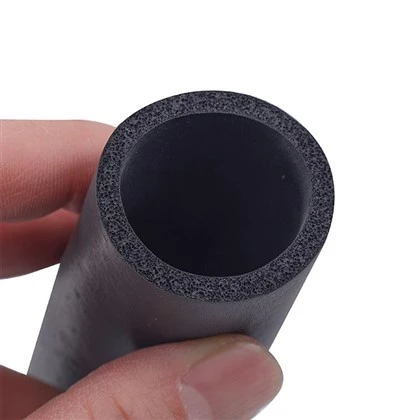
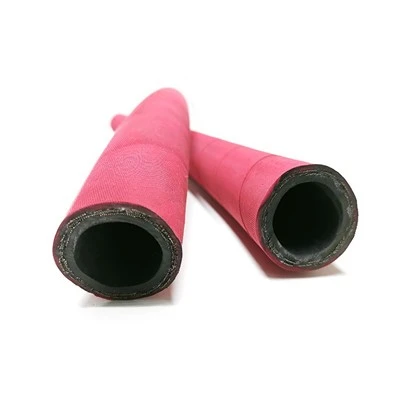
For example, we can provide Industrial Grade Extrude Silicone Tube with different wall thicknesses and hardness levels to meet the specific needs of your application. We can also reinforce the hoses with fabric or wire to increase their strength and pressure resistance.
Applications
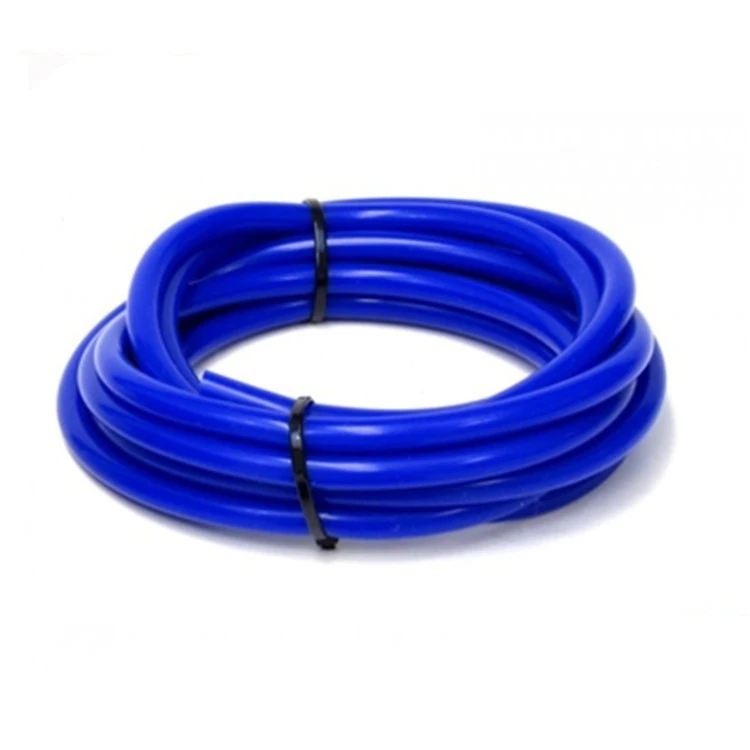
Extruded silicone hoses are used in a wide variety of applications across different industries. In the automotive industry, they are used for coolant hoses, turbocharger hoses, and vacuum lines. The 7/8 Inch Silicone Hose is a popular choice for many automotive applications due to its durability and flexibility.
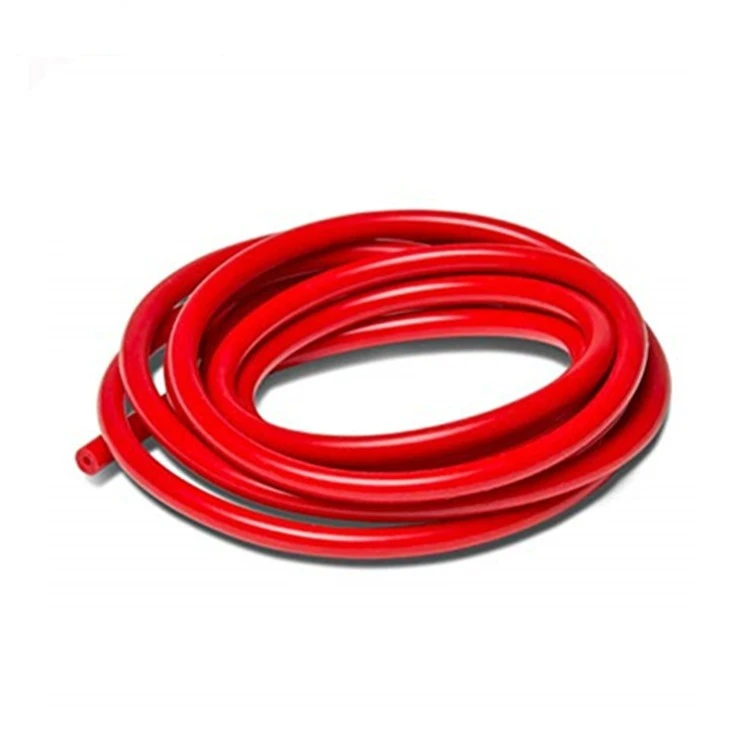
In the medical industry, silicone hoses are used for fluid transfer, oxygen delivery, and suction applications. The 4MM Silicone Vacuum Hose is designed to meet the strict requirements of medical devices, ensuring reliable and safe performance.
In the food and beverage industry, silicone hoses are used for conveying liquids, gases, and semi-solids. They are FDA-compliant and can be used in contact with food and beverages without contamination.
Conclusion
The process of making extruded silicone hoses is a complex and precise one, involving multiple steps from raw material selection to the final quality control. As a supplier, we are committed to providing our customers with high-quality, reliable, and customized extruded silicone hoses that meet their specific application requirements.
If you are in need of extruded silicone hoses for your industry or application, we invite you to contact us for more information and to discuss your specific needs. Our team of experts is ready to assist you in selecting the right hose for your project and to provide you with a competitive quote.
References
- "Silicone Rubber: Properties and Applications" by John Doe
- "Extrusion Technology for Plastics and Rubber" by Jane Smith
- "Vulcanization of Elastomers" by Robert Johnson