Hey there! As a supplier of rubber LPG hoses, I often get asked a bunch of questions about our products. One question that pops up quite a bit is, "Can I use a rubber LPG hose for a gas - powered air conditioner?" Let's dive right into this topic and figure it all out.
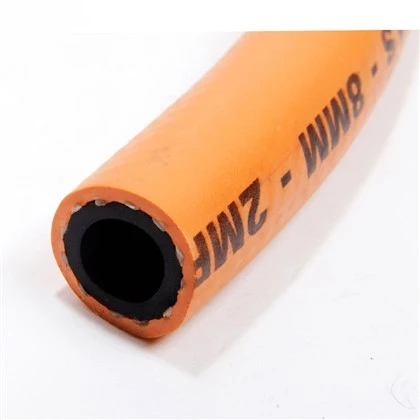
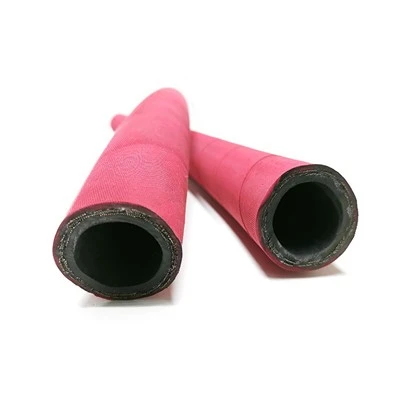
First off, let's understand what a rubber LPG hose is. A Rubber Gas Hose is designed to carry liquefied petroleum gas (LPG) from the source to the appliance that uses it. LPG is a common fuel source, and these hoses are made to be flexible, durable, and safe for transferring the gas. They're usually made from high - quality rubber compounds that can withstand the pressure and chemical properties of LPG.
Now, let's talk about gas - powered air conditioners. These air conditioners use LPG as a fuel to power their cooling mechanisms. They're popular in areas where electricity might be unreliable or expensive. Gas - powered air conditioners work by burning LPG to generate the energy needed to cool the air.
So, can you use a rubber LPG hose for a gas - powered air conditioner? The short answer is, it depends. There are a few key factors to consider.
Compatibility
The first thing to look at is compatibility. Not all rubber LPG hoses are created equal. Some are designed for specific types of appliances or operating conditions. For a gas - powered air conditioner, you need a hose that can handle the pressure and flow rate of the LPG required by the unit.
Most gas - powered air conditioners have specific requirements for the gas supply. You'll need to check the manufacturer's specifications to see what kind of hose they recommend. Some air conditioners might need a hose with a certain diameter or pressure rating. If you use a hose that's not compatible, it could lead to problems like leaks, reduced efficiency, or even safety hazards.
Safety
Safety is a huge concern when it comes to using LPG. Rubber LPG hoses are designed with safety in mind. They're made to prevent leaks and withstand the harsh conditions associated with LPG. But when using a hose for a gas - powered air conditioner, you need to make sure it meets all the safety standards.
Look for hoses that are certified by relevant safety organizations. These certifications mean that the hose has been tested and meets certain safety criteria. For example, in many countries, hoses need to meet standards set by organizations like the American Society of Mechanical Engineers (ASME) or the European Committee for Standardization (CEN).
You also need to make sure the hose is installed correctly. A poorly installed hose can lead to leaks, which are extremely dangerous. Always follow the installation instructions provided by the hose manufacturer and the air conditioner manufacturer.
Durability
A gas - powered air conditioner might be running for long periods, especially during hot seasons. So, the rubber LPG hose you use needs to be durable. It should be able to withstand constant use, temperature changes, and exposure to the elements.
High - quality rubber hoses are usually made from materials that are resistant to abrasion, ozone, and heat. These properties ensure that the hose lasts a long time without deteriorating. You don't want a hose that starts to crack or break down after a few months of use.
Cost - effectiveness
Another factor to consider is cost - effectiveness. While you don't want to skimp on safety, you also don't want to overspend. Some rubber LPG hoses can be quite expensive, especially if they're made from high - end materials or have special features.
You need to find a balance between quality and cost. Look for hoses that offer good value for money. Sometimes, a slightly more expensive hose can save you money in the long run because it lasts longer and reduces the risk of problems.
Installation and Maintenance
Installing a rubber LPG hose for a gas - powered air conditioner is not a DIY job for everyone. It's important to have a professional do the installation. A professional installer has the knowledge and experience to make sure the hose is installed correctly and safely.
Once the hose is installed, you also need to do regular maintenance. Check the hose for any signs of wear and tear, such as cracks or bulges. If you notice any problems, replace the hose immediately. You should also make sure the connections are tight and there are no leaks.
Advantages of Using a Rubber LPG Hose for a Gas - Powered Air Conditioner
If you choose the right rubber LPG hose, there are some advantages. First of all, rubber hoses are flexible. This makes them easy to install in different locations and around obstacles. You can route the hose to the air conditioner without much hassle.


Secondly, rubber hoses are relatively easy to replace. If you need to change the hose for any reason, it's usually a straightforward process. You don't need any special tools or skills to replace a rubber hose.
Finally, rubber hoses are generally more affordable than some other types of hoses. This makes them a cost - effective option for gas - powered air conditioners.
Disadvantages of Using a Rubber LPG Hose for a Gas - Powered Air Conditioner
However, there are also some disadvantages. Rubber hoses can degrade over time, especially if they're exposed to extreme conditions. They might become brittle or develop leaks. You need to keep an eye on the hose and replace it when necessary.
Another disadvantage is that rubber hoses can be affected by certain chemicals. If the LPG contains impurities or if there are other chemicals in the environment, the hose might be damaged.
In conclusion, using a rubber LPG hose for a gas - powered air conditioner is possible, but you need to be careful. Make sure you choose a compatible, safe, and durable hose. Have it installed by a professional and do regular maintenance.
If you're in the market for a rubber LPG hose for your gas - powered air conditioner, I'd love to help. As a supplier, I can offer you high - quality hoses that meet all the necessary standards. Feel free to reach out to discuss your specific needs and start a procurement negotiation.
References
- American Society of Mechanical Engineers (ASME) standards on gas hoses.
- European Committee for Standardization (CEN) regulations for LPG hoses.
- Manufacturer's manuals for gas - powered air conditioners.