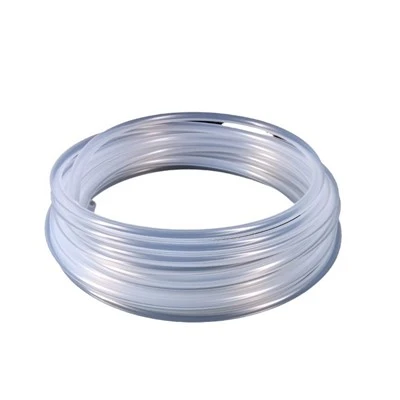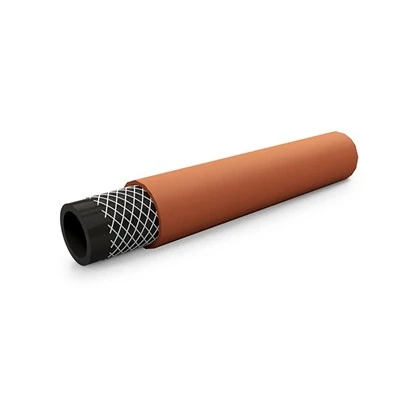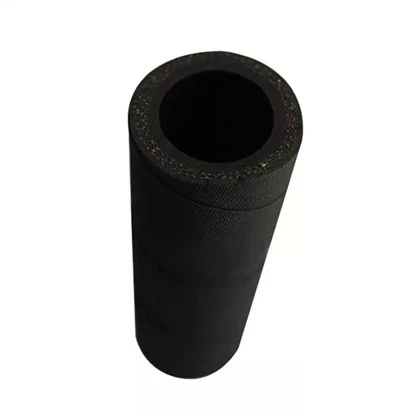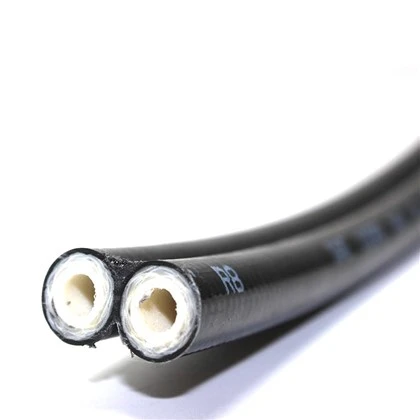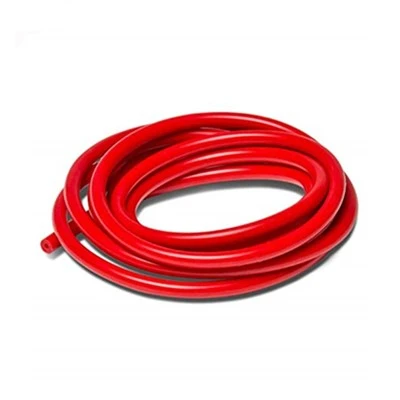
When it comes to the transportation of various fluids and gases, composite hoses play a crucial role. As a professional composite hose supplier, I have witnessed firsthand the significance and versatility of these hoses in a wide range of industries. In this blog post, I will delve into what a composite hose is, its composition, advantages, applications, and why you should consider choosing us as your composite hose partner.
What is a Composite Hose?
A composite hose is a flexible and lightweight hose designed for the transfer of liquids and gases. Unlike traditional rubber or metal hoses, composite hoses are constructed from multiple layers of different materials, each serving a specific purpose. This multi - layer construction gives composite hoses unique properties that make them suitable for a variety of demanding applications.
Composition of Composite Hoses
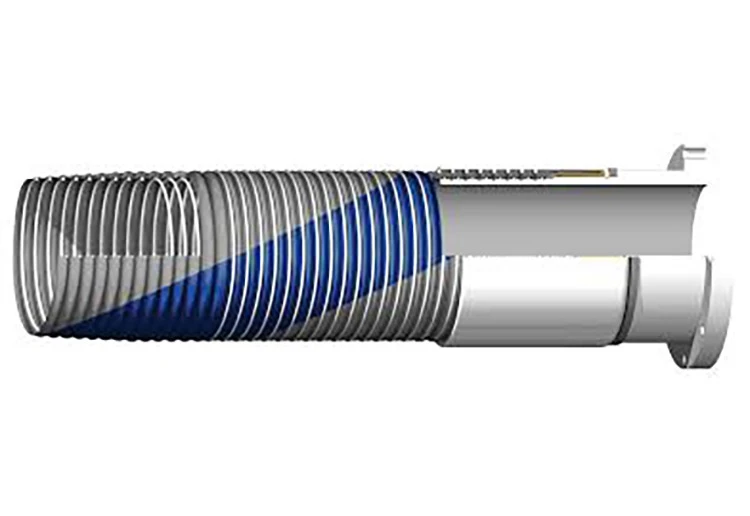
The typical composite hose consists of several layers, each contributing to its overall performance and durability.
- Inner Layer: The inner layer is in direct contact with the fluid or gas being transferred. It is usually made of a chemically resistant material such as polyethylene (PE), polypropylene (PP), or PTFE (polytetrafluoroethylene). These materials ensure compatibility with a wide range of substances, including acids, alkalis, oils, and solvents. For example, PTFE has excellent chemical resistance and can withstand high temperatures, making it ideal for handling corrosive chemicals and high - temperature fluids.
- Reinforcement Layer: The reinforcement layer provides strength and stability to the hose. It is commonly made of synthetic fibers like polyester, nylon, or aramid, or a combination of these materials. These fibers are braided or woven around the inner layer, creating a strong and flexible structure that can withstand high pressures without bursting or leaking. The number and type of reinforcement layers can vary depending on the application requirements, with higher - pressure applications typically requiring more layers.
- Outer Layer: The outer layer protects the hose from external damage, such as abrasion, weathering, and UV radiation. It is often made of PVC (polyvinyl chloride), polyurethane (PU), or a similar material. PVC is a popular choice for the outer layer due to its low cost, good abrasion resistance, and flexibility. Polyurethane, on the other hand, offers better chemical resistance and durability, making it suitable for more demanding environments.
Advantages of Composite Hoses
Composite hoses offer several advantages over traditional hoses, which have made them the preferred choice in many industries.
- Lightweight and Flexible: Composite hoses are significantly lighter than steel or rubber hoses, making them easier to handle and install. Their flexibility allows for easy routing around obstacles and in tight spaces, reducing the need for complex piping systems. This not only saves time and labor during installation but also makes it easier to maintain and replace the hoses when necessary.
- Chemical Resistance: The variety of materials used in the construction of composite hoses gives them excellent chemical resistance. They can handle a wide range of corrosive and hazardous substances, including acids, alkalis, and solvents, without being damaged. This makes them suitable for use in industries such as chemical manufacturing, petrochemicals, and pharmaceuticals.
- High Pressure Resistance: The reinforcement layers in composite hoses provide them with high - pressure resistance. They can withstand operating pressures ranging from a few bars to several hundred bars, depending on the design and construction of the hose. This makes them suitable for applications that involve high - pressure fluid or gas transfer, such as in oil and gas exploration and production.
- Leak - Proof: The multi - layer construction of composite hoses ensures a tight seal, minimizing the risk of leaks. The inner layer provides a smooth and continuous surface that prevents the fluid or gas from seeping through, while the reinforcement and outer layers provide additional protection against leakage. This makes composite hoses a reliable choice for applications where leak - free operation is critical, such as in the transfer of hazardous chemicals.
- Temperature Resistance: Composite hoses can withstand a wide range of temperatures, from extremely cold to very high. The choice of materials in the inner and outer layers determines the temperature range that the hose can handle. For example, hoses with a PTFE inner layer can operate at temperatures up to 260°C (500°F), while those with a polyethylene inner layer are suitable for lower - temperature applications.
Applications of Composite Hoses
Due to their unique properties, composite hoses are used in a wide range of industries and applications.
- Petrochemical Industry: In the petrochemical industry, composite hoses are used for the transfer of crude oil, refined petroleum products, and chemicals. They are commonly used in tanker loading and unloading operations, as well as in refineries and chemical plants. Their chemical resistance, high - pressure resistance, and flexibility make them ideal for handling these hazardous substances safely and efficiently.
- Food and Beverage Industry: Composite hoses are also widely used in the food and beverage industry for the transfer of liquids such as milk, juice, and beer. The inner layer of these hoses is made of food - grade materials that comply with strict hygiene standards, ensuring that the transferred products remain safe and uncontaminated.
- Marine Industry: In the marine industry, composite hoses are used for bunkering operations, where fuel is transferred from storage tanks to ships. Their lightweight and flexibility make them easy to handle on board ships, while their high - pressure resistance and leak - proof design ensure safe and efficient fuel transfer.
- Manufacturing Industry: Composite hoses are used in various manufacturing processes for the transfer of liquids and gases. They are commonly used in applications such as paint spraying, water treatment, and machine cooling. Their chemical resistance and flexibility make them suitable for handling a wide range of substances in these industrial environments.
Why Choose Our Composite Hoses?
As a leading composite hose supplier, we are committed to providing our customers with high - quality products and excellent service.
- Quality Assurance: We use only the highest - quality materials and advanced manufacturing processes to produce our composite hoses. Each hose undergoes strict quality control checks to ensure that it meets or exceeds industry standards. Our commitment to quality ensures that our customers receive reliable and long - lasting products.
- Customization: We understand that different customers have different requirements. That's why we offer customized composite hose solutions to meet your specific needs. Whether you need a hose with a specific diameter, length, or chemical resistance, we can work with you to design and manufacture the perfect hose for your application.
- Technical Support: Our team of experienced engineers and technicians is available to provide you with technical support and advice. Whether you have questions about the selection, installation, or maintenance of our composite hoses, we are here to help. We can also assist you in troubleshooting any problems that you may encounter with our products.
- Competitive Pricing: We offer our composite hoses at competitive prices without compromising on quality. Our goal is to provide our customers with the best value for their money. By leveraging our manufacturing expertise and economies of scale, we are able to keep our costs down and pass the savings on to our customers.
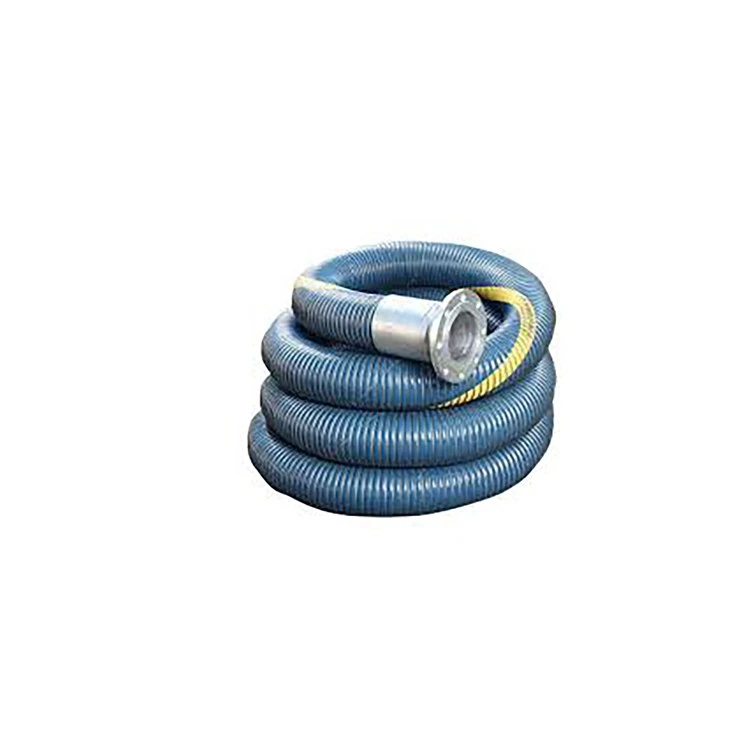
If you are interested in learning more about our Composite Hose Assembly or have any other queries regarding our composite hoses, please do not hesitate to contact us. We are more than happy to discuss your requirements and provide you with a detailed quote. Our team of professionals is always ready to assist you in making the right choice for your specific application. Whether you are a small business or a large corporation, we can offer the solutions you need for efficient and safe fluid and gas transfer.
References
- "Handbook of Industrial Hoses" - A comprehensive guide on different types of industrial hoses, including composite hoses.
- Industry standards and regulations related to composite hoses, such as ISO and ASTM standards.