Can plastic hoses be used in water treatment plants? This is a question that often arises among industry professionals and stakeholders involved in water treatment facilities. As a plastic hose supplier, I am well - versed in the various applications of plastic hoses and their viability in water treatment settings.
The Role of Hoses in Water Treatment Plants
Water treatment plants are complex facilities designed to purify water from various sources, such as rivers, lakes, and groundwater, to make it safe for human consumption, industrial use, or environmental discharge. Hoses play a crucial role in these plants, facilitating the movement of water, chemicals, and other substances throughout the treatment process. They are used in a wide range of applications, including intake and discharge, chemical dosing, filtration, and backwashing.

Advantages of Using Plastic Hoses in Water Treatment Plants
- Corrosion Resistance: One of the primary advantages of plastic hoses is their excellent corrosion resistance. Unlike metal hoses, which are prone to rust and corrosion when exposed to water and chemicals, plastic hoses can withstand the harsh conditions found in water treatment plants without deteriorating. This makes them ideal for long - term use in these environments, reducing the need for frequent replacements and maintenance.
- Lightweight and Flexible: Plastic hoses are lightweight and highly flexible, making them easy to install, maneuver, and transport. This is particularly beneficial in water treatment plants, where hoses may need to be routed around existing equipment and structures. Their flexibility also allows for easy connection to various components, such as pumps, valves, and filters.
- Cost - Effective: Plastic hoses are generally more cost - effective than their metal counterparts. They are less expensive to manufacture, purchase, and install, and their long - term durability reduces the overall cost of ownership. This makes them an attractive option for water treatment plants, which often operate on tight budgets.
- Chemical Compatibility: Plastic hoses can be manufactured from a variety of materials, each with its own unique chemical resistance properties. This allows for the selection of hoses that are compatible with the specific chemicals used in water treatment processes, such as chlorine, sulfuric acid, and sodium hydroxide. For example, Corrugated PTFE Hose is known for its excellent chemical resistance and can be used in applications where exposure to aggressive chemicals is expected.
Types of Plastic Hoses Suitable for Water Treatment Plants
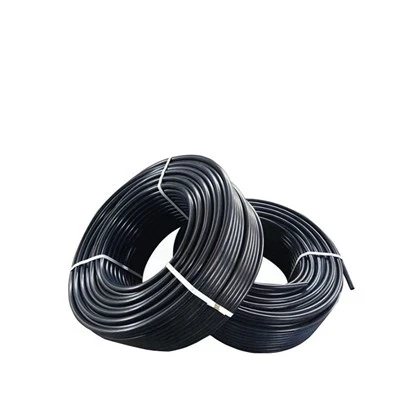
- HDPE Water Pipe: High - density polyethylene (HDPE) water pipes are widely used in water treatment plants for their strength, durability, and corrosion resistance. They are suitable for both above - ground and underground applications, and their smooth interior surface reduces friction, allowing for efficient water flow. You can find more information about HDPE Water Pipe on our website.
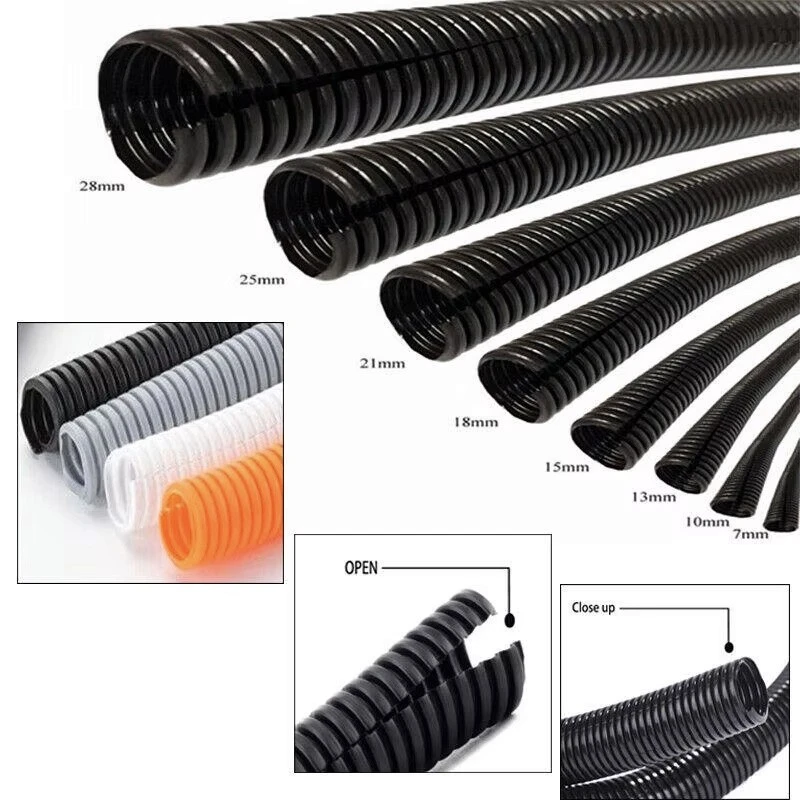
- Corrugated PE Hoses: Corrugated polyethylene (PE) hoses are flexible and lightweight, making them easy to handle and install. They are often used for applications such as chemical dosing and drainage in water treatment plants. The corrugated design provides additional flexibility and kink resistance. Check out our Corrugated PE Hoses for more details.
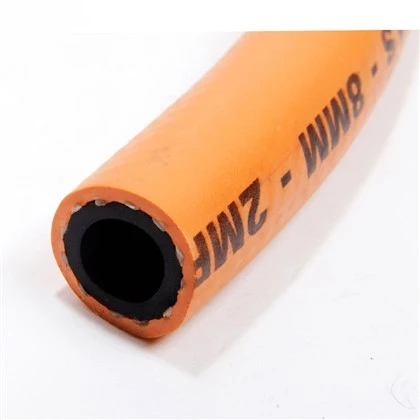
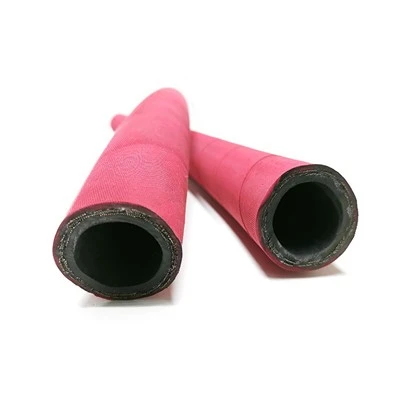
- R8 Thermoplastic Hose: The R8 Thermoplastic Hose is a high - performance hose that offers excellent abrasion resistance and flexibility. It is suitable for use in a variety of water treatment applications, including the transfer of abrasive slurries and chemicals.
- PVC Garden Hose: While typically associated with gardening, PVC garden hoses can also be used in certain water treatment applications. They are affordable, lightweight, and easy to find. Our PVC Garden Hose can be a cost - effective solution for less demanding water transfer tasks in water treatment plants.
Considerations When Using Plastic Hoses in Water Treatment Plants
- Temperature and Pressure Ratings: It is essential to select plastic hoses that are rated for the specific temperature and pressure conditions in the water treatment plant. Operating hoses outside of their rated parameters can lead to premature failure, leaks, and safety hazards.
- Chemical Compatibility: As mentioned earlier, it is crucial to ensure that the plastic hose material is compatible with the chemicals used in the water treatment process. This can be determined by consulting the hose manufacturer's chemical compatibility charts or conducting compatibility tests.
- UV Resistance: If the hoses are to be used outdoors or in areas exposed to sunlight, it is important to choose hoses with UV - resistant properties. UV exposure can cause the degradation of plastic materials, reducing their strength and durability over time.
- Installation and Maintenance: Proper installation and regular maintenance are key to ensuring the long - term performance of plastic hoses in water treatment plants. This includes correct routing, secure connections, and periodic inspections for signs of wear, damage, or leaks.
Case Studies: Plastic Hoses in Water Treatment Plants
To illustrate the effectiveness of plastic hoses in water treatment plants, let's look at a few case studies.
In a large municipal water treatment plant, HDPE water pipes were used for the main intake and distribution lines. The smooth interior surface of the HDPE pipes resulted in a significant reduction in energy consumption due to lower friction losses. Additionally, the corrosion - resistant properties of the HDPE pipes eliminated the need for costly coating and maintenance procedures.
In another case, a chemical dosing system in a water treatment plant utilized corrugated PE hoses. These hoses provided the flexibility needed to connect the chemical storage tanks to the dosing pumps, and their chemical resistance ensured long - term reliability in handling aggressive chemicals.
Conclusion
In conclusion, plastic hoses can indeed be used in water treatment plants, offering numerous advantages such as corrosion resistance, lightweight construction, cost - effectiveness, and chemical compatibility. By carefully selecting the appropriate type of plastic hose based on the specific application requirements and considering factors such as temperature, pressure, chemical compatibility, and UV resistance, water treatment plant operators can benefit from improved performance, reduced maintenance costs, and enhanced reliability.
If you are involved in a water treatment plant project and are looking for high - quality plastic hoses, we would love to have a discussion with you. We can provide customized solutions based on your specific needs and requirements. Contact us today to start a procurement discussion and find the perfect plastic hoses for your water treatment application.
References
- "Handbook of Water and Wastewater Treatment Plant Operations", Third Edition, by William W. Roy
- "Plastic Pipes and Fittings: Design and Installation", by John M. Hinchcliffe
- Industry reports on water treatment technologies and materials from leading research institutions