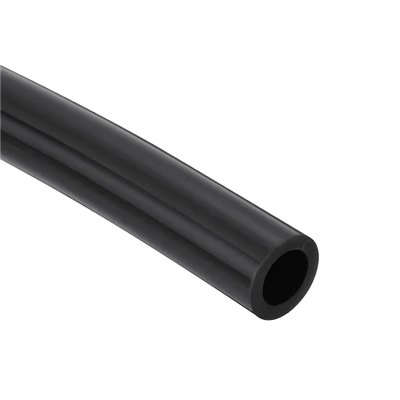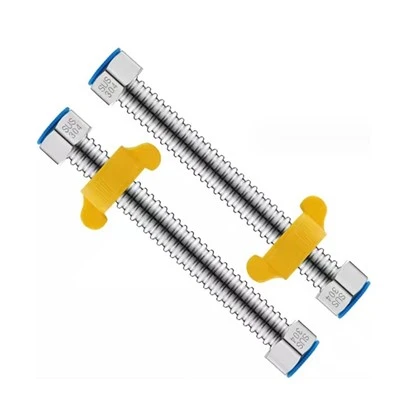
As a CNG hose supplier, I understand the critical importance of proper maintenance for CNG hoses. Compressed Natural Gas (CNG) is a popular alternative fuel known for its environmental benefits and cost - effectiveness. However, the safe and efficient use of CNG largely depends on the condition of the hoses that transport it. In this blog, I will delve into the maintenance requirements for CNG hoses to ensure their long - term performance and safety.
Regular Visual Inspections
One of the most basic yet crucial maintenance steps is regular visual inspections. These inspections should be carried out at frequent intervals, depending on the usage intensity of the hoses. For hoses in a high - traffic industrial setting, daily visual checks might be necessary, while those in less - demanding environments could be inspected weekly or monthly.
During a visual inspection, look for signs of physical damage such as cuts, abrasions, bulges, or kinks. Cuts and abrasions can compromise the structural integrity of the hose, leading to potential leaks. Bulges may indicate internal damage or over - pressurization, and kinks can restrict the flow of CNG and cause stress on the hose material.
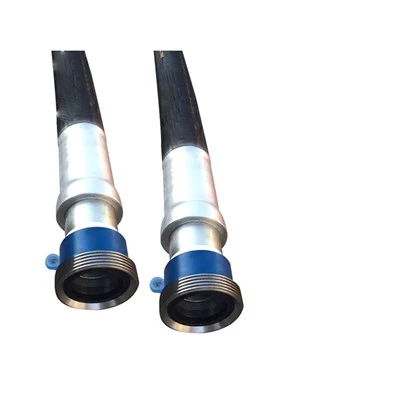
Also, check the hose fittings. Ensure that they are tightly connected and free from corrosion. Loose fittings can result in gas leaks, which are not only a waste of fuel but also pose a significant safety hazard. Corrosion on the fittings can weaken their connection to the hose and may require replacement.
Pressure Testing
In addition to visual inspections, periodic pressure testing is essential. Pressure testing involves subjecting the hose to a specific pressure level to check for leaks and its ability to withstand the normal operating pressure.
The frequency of pressure testing depends on industry standards and the specific application of the hose. For example, in some cases, pressure testing should be done every six months, while in others, annual testing may suffice. It is important to follow the relevant safety regulations and manufacturer's recommendations.
Specialized equipment is used for pressure testing. A pressure gauge is attached to the hose, and the hose is then pressurized to a predetermined level, usually slightly above the normal operating pressure. The pressure is maintained for a set period, and during this time, the hose is carefully monitored for any signs of pressure drop, which could indicate a leak.
Cleaning
Cleaning the CNG hoses is another important maintenance requirement. Over time, hoses can accumulate dirt, dust, and other contaminants, which can not only affect the appearance but also the performance and lifespan of the hose.
Use a mild detergent and a soft cloth or sponge to clean the exterior of the hose. Avoid using abrasive materials or harsh chemicals, as they can damage the hose material. Pay special attention to the areas around the fittings, as these are more likely to collect debris.
For the interior of the hose, if possible, it can be flushed with a suitable cleaning agent to remove any internal deposits. However, this should be done with caution, following the manufacturer's instructions to prevent damage to the hose.
Storage
Proper storage of CNG hoses when they are not in use is also vital for their maintenance. Hoses should be stored in a cool, dry place away from direct sunlight and sources of heat. Exposure to high temperatures and sunlight can cause the hose material to degrade over time.
When storing the hoses, they should be coiled neatly and not left in a kinked or bent position. This helps to prevent internal damage and stress on the hose. If possible, use a hose rack or storage container to keep the hoses organized and protected.


Compatibility with CNG
It is important to ensure that the CNG hoses are compatible with the type of CNG being used. Different types of CNG may have varying compositions and properties, and using an incompatible hose can lead to chemical reactions, degradation, and ultimately, failure of the hose.
As a CNG hose supplier, we carefully select and test our hoses to ensure their compatibility with a wide range of CNG compositions. We also provide detailed information to our customers about the compatibility of our hoses to help them make the right choices.
Training for Users
Proper maintenance also depends on the knowledge and skills of the users. It is essential to provide training to the personnel who handle CNG hoses. This training should cover topics such as visual inspection techniques, pressure testing procedures, cleaning methods, and proper handling and storage.
Well - trained users are more likely to detect potential problems early and take appropriate action, which can prevent costly repairs and safety incidents. We, as a supplier, are committed to providing training and support to our customers to ensure the proper maintenance of our CNG hoses.
Documentation
Maintaining detailed documentation of all maintenance activities is crucial. This includes records of visual inspections, pressure tests, cleaning, and any repairs or replacements. Documentation helps in tracking the history of the hose, identifying patterns of wear and tear, and ensuring compliance with safety regulations.
It also serves as a valuable reference for future maintenance and can be used to demonstrate due diligence in the event of an inspection or an incident.
Replacement
Despite proper maintenance, CNG hoses have a limited lifespan. The lifespan of a CNG hose depends on various factors such as usage frequency, operating conditions, and the quality of the hose.
As a general rule, hoses should be replaced when they show signs of significant wear, damage, or degradation that cannot be repaired. Following the manufacturer's recommended replacement intervals is also a good practice to ensure the continued safety and performance of the CNG system.
In conclusion, proper maintenance of CNG hoses is essential for their safe and efficient operation. Regular visual inspections, pressure testing, cleaning, proper storage, ensuring compatibility, providing user training, maintaining documentation, and timely replacement are all key aspects of CNG hose maintenance.
If you are in the market for high - quality CNG hoses, we are here to help. Our hoses are designed and manufactured to meet the highest standards of quality and safety. You can explore our range of Natural Gas Cng Hose on our website. We are ready to discuss your specific requirements and provide you with the best solutions. Contact us today to start a procurement discussion and ensure that you have the right CNG hoses for your needs.
References
- Industry standards for CNG hose maintenance
- Manufacturer's guidelines for CNG hose products
- Research papers on the performance and degradation of CNG hoses