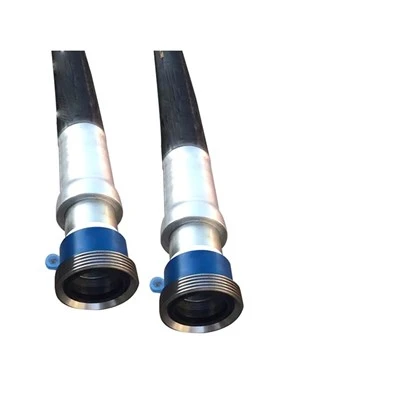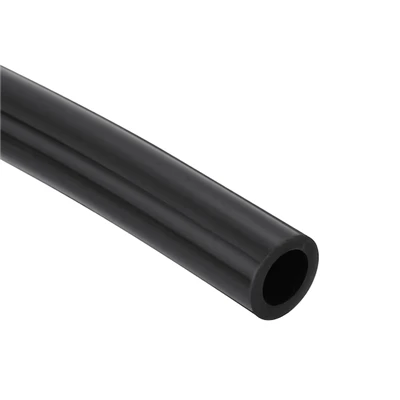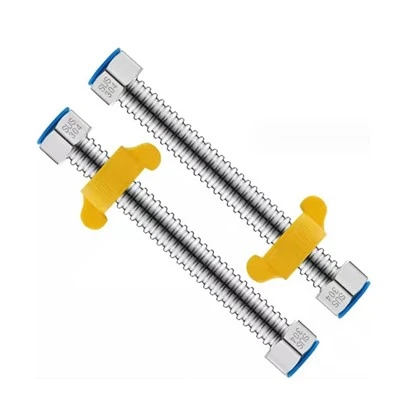
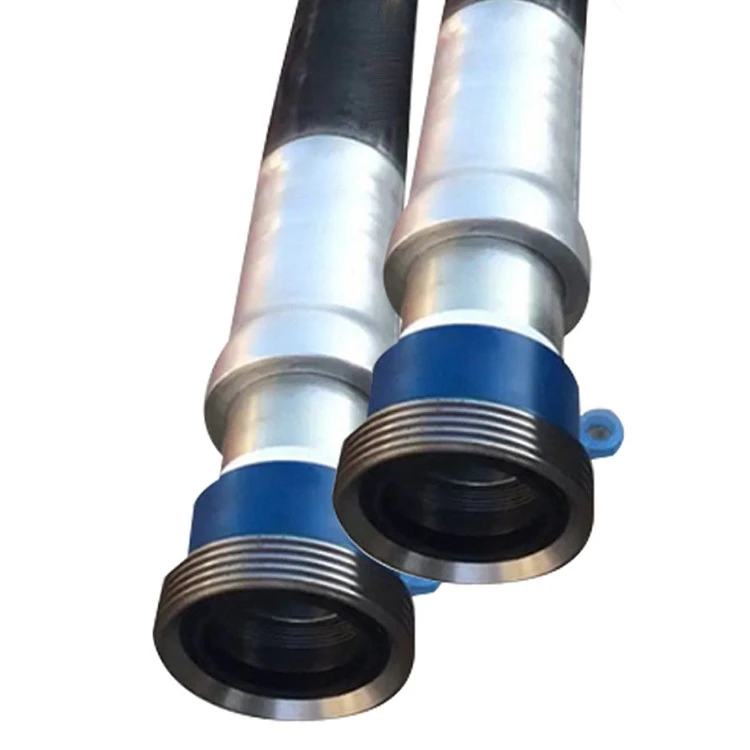
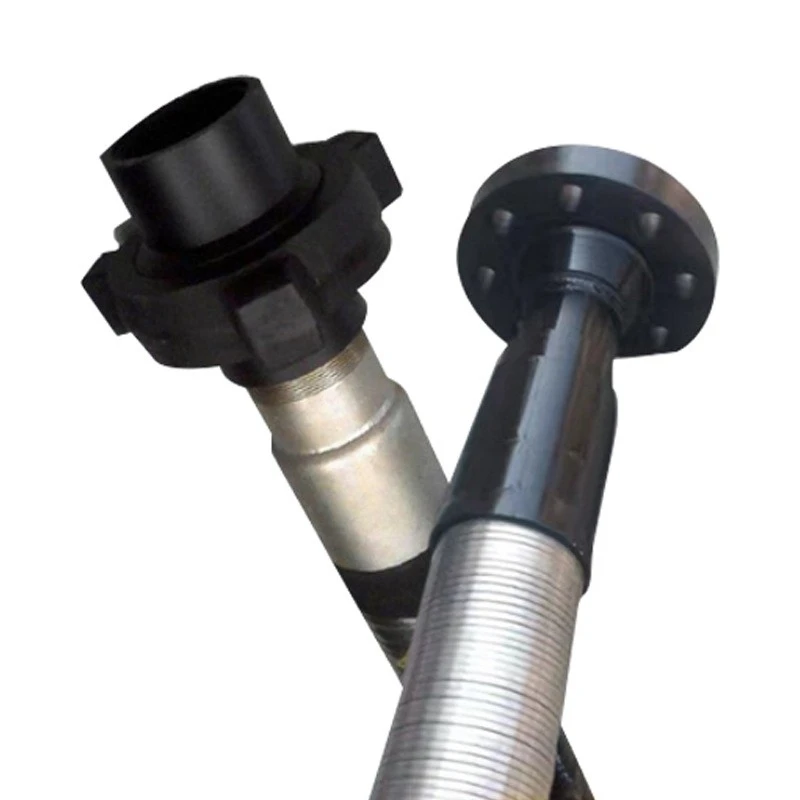
As a seasoned provider of drilling hoses, I've witnessed firsthand the critical role these components play in the oil and gas industry. A drilling hose serves as a vital link between the mud pump and the standpipe on a drilling rig, facilitating the transfer of high-pressure drilling fluids. However, like any mechanical part, drilling hoses are prone to wear and tear over time, which can lead to significant operational risks if not addressed promptly. In this blog, I'll share some of the key signs that indicate a drilling hose may be damaged.
1. External Abrasion
External abrasion is one of the most common signs of a damaged drilling hose. The hose is often subjected to rough handling during installation, removal, and transportation, which can cause the outer cover to wear down. Additionally, the constant rubbing against other equipment, such as the rig floor or metal structures, can also lead to abrasion. Signs of external abrasion include visible scratches, cuts, or thinning of the outer cover. If left unaddressed, the abrasion can penetrate the outer layer and expose the inner reinforcement layers, increasing the risk of hose failure.
To prevent external abrasion, it's essential to ensure proper handling and storage of the drilling hoses. Use protective covers or sleeves when the hoses are in contact with rough surfaces, and avoid dragging them across the ground. Regularly inspect the hoses for any signs of abrasion and replace them if necessary.
2. Swelling or Blistering
Swelling or blistering on the surface of the drilling hose can indicate damage to the inner layers. This can be caused by a variety of factors, including exposure to chemicals, high temperatures, or excessive pressure. When the inner layers of the hose are damaged, the fluid can seep into the spaces between the layers, causing the hose to swell or form blisters.
Swelling or blistering can significantly weaken the hose and increase the risk of rupture. If you notice any abnormal swelling or blistering on the hose, it's crucial to stop using it immediately and replace it with a new one. To prevent this type of damage, ensure that the drilling hoses are compatible with the fluids they will be transporting and that they are operated within the recommended temperature and pressure ranges.
3. Leakage
Leakage is another obvious sign of a damaged drilling hose. It can occur at the connections (couplings) or along the length of the hose. Leakage at the connections may be due to loose fittings, damaged seals, or improper installation. On the other hand, leakage along the hose may be caused by internal damage, such as a puncture or a tear in the inner layers.
Even a small leak can be dangerous, as it can lead to the loss of drilling fluids, which can affect the drilling operation's efficiency and safety. If you detect any signs of leakage, such as wet spots, drips, or puddles around the hose, it's important to take immediate action. Check the connections for tightness and inspect the hose for any visible damage. If the leakage persists, replace the hose or the faulty components.
4. Increased Flexing or Rigidity
A drilling hose should have a certain degree of flexibility to allow for proper movement and bending during operation. However, if you notice that the hose has become overly flexible or, conversely, too rigid, it could be a sign of damage. Overly flexible hoses may indicate a failure of the reinforcement layers, while rigid hoses may be due to the breakdown of the inner rubber layers.
Increased flexing or rigidity can affect the hose's performance and increase the risk of premature failure. Regularly check the hose's flexibility during inspections and compare it to its normal state. If there are any significant changes, it's advisable to replace the hose.
5. Cracking or Splitting
Cracking or splitting on the surface of the drilling hose is a serious sign of damage. It can be caused by a variety of factors, including age, exposure to harsh environmental conditions, or excessive stress. Cracks and splits can start small and grow over time, eventually leading to a complete rupture of the hose.
If you notice any cracks or splits on the hose, no matter how small they may seem, it's crucial to replace the hose immediately. Ignoring these signs can result in a sudden and catastrophic failure, which can cause significant damage to the equipment and pose a safety risk to the personnel on the rig.
6. Changes in Color or Texture
Changes in the color or texture of the drilling hose can also indicate damage. For example, if the outer cover of the hose becomes discolored, faded, or brittle, it may be due to exposure to UV radiation, chemicals, or high temperatures. Similarly, a change in the texture, such as a rough or bumpy surface, may suggest internal damage or the growth of mold and mildew.
These changes can affect the hose's integrity and performance. Regularly inspect the hose for any color or texture changes and investigate the cause. If the damage is significant, replace the hose to prevent further problems.
Importance of Regular Inspections
Regular inspections are crucial for detecting the signs of a damaged drilling hose early. By implementing a comprehensive inspection program, you can identify potential issues before they become major problems, reducing the risk of downtime and costly repairs. Inspections should be carried out at regular intervals, including before and after each use, as well as during routine maintenance.
In addition to visual inspections, it's also recommended to perform pressure tests on the drilling hoses periodically to ensure their integrity. These tests can help detect any internal damage that may not be visible to the naked eye.
Quality Drilling Hoses - API 7K Drilling Hose
At our company, we understand the importance of providing high-quality drilling hoses that can withstand the demanding conditions of the oil and gas industry. Our API 7K Drilling Hose is designed and manufactured in accordance with the API 7K standard, ensuring superior performance and reliability.
API 7K drilling hoses are constructed with multiple layers of high-strength steel wire reinforcement and synthetic rubber, providing excellent resistance to pressure, abrasion, and chemicals. They are available in a variety of sizes and configurations to meet the specific needs of different drilling operations.
Contact Us for Your Drilling Hose Needs
If you're in the market for reliable drilling hoses, we'd love to hear from you. Our team of experts can help you select the right hose for your application and provide you with the support and guidance you need to ensure its proper installation and maintenance. Whether you're a small drilling contractor or a large oil and gas company, we have the products and services to meet your needs. Don't hesitate to contact us to discuss your requirements and start a partnership that will help you achieve your drilling goals safely and efficiently.
References
- API Specification 7K: Drilling Equipment. American Petroleum Institute.
- Drilling Fluid Technology Handbook. Various industry publications.
- Oil and Gas Well Drilling and Servicing. Industry textbooks.