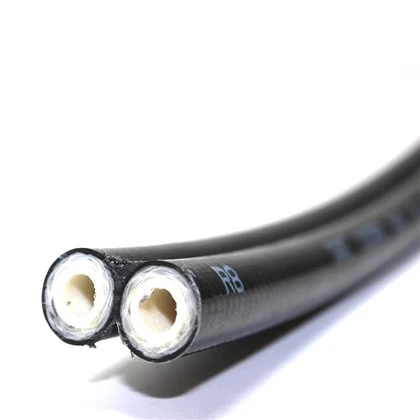
Hey there! As a supplier of fire sleeves, I often get asked if these nifty products require any special maintenance. Well, let's dive right in and explore this topic together.
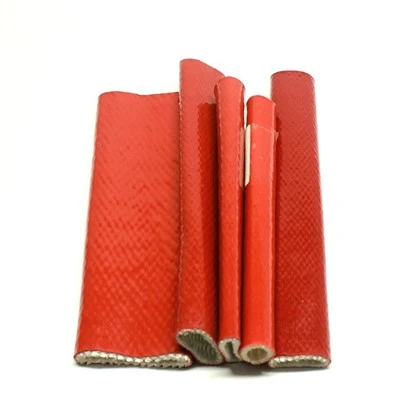
First off, what are fire sleeves anyway? Fire sleeves are protective coverings designed to shield hoses, cables, and other components from high temperatures, flames, and molten metal splashes. They're commonly used in industries like automotive, aerospace, manufacturing, and even in some home applications where fire protection is a concern. One popular type of fire sleeve is the Silicone Fire Sleeve, which is known for its excellent heat resistance and flexibility.
Now, let's talk about maintenance. The good news is that in most cases, fire sleeves don't need a whole lot of special care. However, there are a few things you can do to ensure they last as long as possible and continue to provide reliable protection.
Regular Inspections
One of the most important aspects of maintaining fire sleeves is conducting regular inspections. You should visually check the sleeves for any signs of damage, such as cuts, tears, burns, or abrasions. Look closely at the areas where the sleeves are attached or where they might be rubbing against other objects. If you notice any issues, it's crucial to address them promptly.
For example, if you find a small cut in the fire sleeve, you can use a high - temperature repair tape to seal it up. Make sure the tape is rated for the same temperature range as the fire sleeve. This will prevent further damage and maintain the integrity of the protection.
Cleaning
Cleaning fire sleeves is also an important part of their maintenance. Over time, dirt, dust, and other contaminants can accumulate on the surface of the sleeves. This not only makes them look dirty but can also potentially affect their performance.
The cleaning process depends on the type of fire sleeve. For silicone fire sleeves, you can usually clean them with a mild soap and water solution. Gently wipe the surface of the sleeve with a soft cloth or sponge. Avoid using harsh chemicals or abrasive cleaners, as these can damage the silicone material.
After cleaning, make sure to rinse the sleeve thoroughly to remove any soap residue. Then, let it air dry completely before reinstalling it. If you're dealing with a more stubborn stain, you can try using a specialized silicone cleaner. Just be sure to follow the manufacturer's instructions carefully.
Storage
Proper storage of fire sleeves is often overlooked but can have a big impact on their lifespan. When you're not using the fire sleeves, it's important to store them in a cool, dry place. Avoid exposing them to direct sunlight, extreme temperatures, or high humidity, as these conditions can cause the material to degrade over time.
If you need to store the fire sleeves for an extended period, you can roll them up loosely and place them in a storage container. Make sure the container is clean and free of any sharp objects that could damage the sleeves.
Avoiding Excessive Stress
Fire sleeves are designed to withstand a certain amount of stress, but excessive pulling, stretching, or bending can cause them to fail prematurely. When installing the fire sleeves, make sure to follow the manufacturer's guidelines for proper installation. Avoid over - tightening the sleeves or forcing them into tight spaces.
In addition, be mindful of any moving parts or equipment that the fire sleeves are protecting. Make sure there is enough slack in the sleeves to allow for normal movement without causing excessive stress on the material.
Compatibility
Another thing to keep in mind is the compatibility of the fire sleeves with other materials and chemicals. Some chemicals can react with the fire sleeve material, causing it to deteriorate or lose its protective properties. Before using a fire sleeve in an environment where it might come into contact with chemicals, make sure to check the manufacturer's specifications to ensure compatibility.
For example, if you're using a fire sleeve in a chemical processing plant, you'll need to make sure the sleeve is resistant to the specific chemicals present in that environment. If you're unsure, you can always contact the manufacturer for advice.
Replacement
Even with proper maintenance, fire sleeves will eventually need to be replaced. The lifespan of a fire sleeve depends on several factors, including the type of material, the operating conditions, and the level of stress it is subjected to.

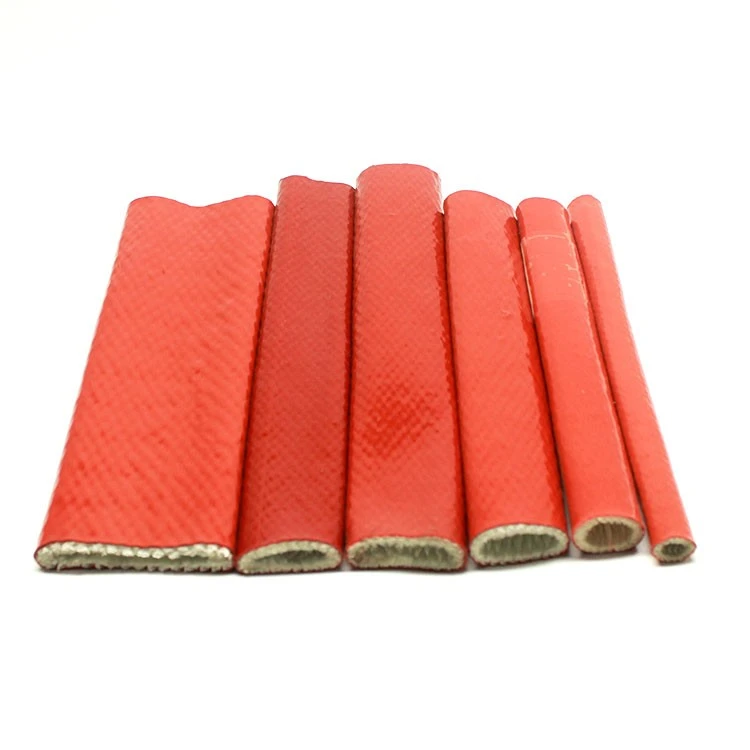
As a general rule of thumb, you should replace fire sleeves if they show significant signs of wear and tear, such as large cuts, holes, or excessive degradation of the material. You should also replace them if they have been exposed to a major fire or other extreme event that could have compromised their integrity.
So, Do They Require Special Maintenance?
In conclusion, while fire sleeves don't require a ton of special maintenance, they do need some basic care to ensure they continue to function effectively. Regular inspections, proper cleaning, appropriate storage, avoiding excessive stress, checking compatibility, and timely replacement are all important aspects of maintaining fire sleeves.
If you're in the market for high - quality fire sleeves or have any questions about maintenance or installation, don't hesitate to reach out. We're here to help you find the right solution for your specific needs. Whether you're looking for a Silicone Fire Sleeve or another type of fire protection product, we've got you covered.
References
- General knowledge on fire sleeve materials and applications
- Manufacturer's guidelines for fire sleeve maintenance and use