When it comes to silicone radiator hoses, one of the most common questions we, as a silicone radiator hose supplier, encounter is: "Which one is better, single - ply or multi - ply silicone radiator hose?" This is a crucial question for many automotive and industrial applications, as the choice between the two can significantly impact the performance, durability, and cost - effectiveness of your cooling system. In this blog, we'll delve into the characteristics, advantages, and disadvantages of both single - ply and multi - ply silicone radiator hoses to help you make an informed decision.
Single - Ply Silicone Radiator Hoses
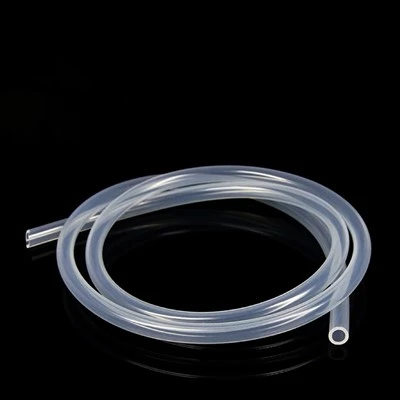
Single - ply silicone radiator hoses are made from a single layer of silicone material. This simplicity in construction gives them several distinct features.
Advantages
- Cost - Effective: One of the most significant advantages of single - ply hoses is their cost. Since they require less material and a simpler manufacturing process, they are generally more affordable than multi - ply hoses. This makes them an attractive option for budget - conscious customers or applications where cost is a major factor.
- Flexibility: Single - ply hoses are highly flexible. The single layer of silicone allows for easy bending and routing around tight spaces in the engine compartment. This flexibility can be especially useful in custom - built vehicles or applications where the hose needs to be maneuvered into complex shapes.
- Lightweight: With only one layer of material, single - ply hoses are lighter than their multi - ply counterparts. This can be beneficial in applications where weight reduction is a priority, such as in high - performance racing cars.
Disadvantages
- Lower Pressure Resistance: Single - ply hoses have a lower pressure rating compared to multi - ply hoses. The single layer of silicone may not be able to withstand high - pressure situations as effectively, which can lead to hose failure or leaks under extreme conditions.
- Less Durability: They are generally less durable than multi - ply hoses. Single - ply hoses are more susceptible to damage from abrasion, heat, and chemicals. Over time, the single layer may degrade, leading to cracks or holes in the hose.
Multi - Ply Silicone Radiator Hoses
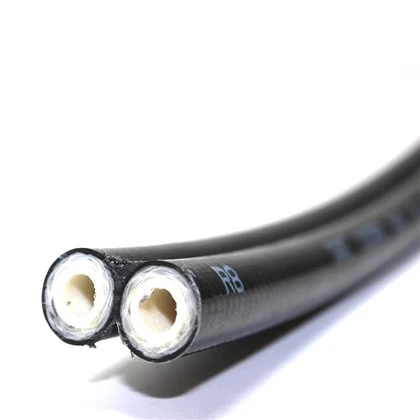
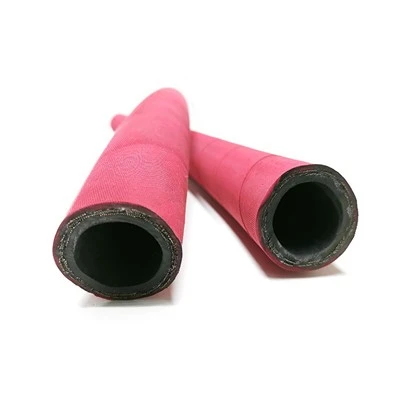
Multi - ply silicone radiator hoses are constructed with multiple layers of silicone and often include reinforcement materials such as fiber or wire.
Advantages
- High Pressure Resistance: The multiple layers and reinforcement materials in multi - ply hoses give them a much higher pressure rating. They can withstand the high pressures generated in modern engines, making them suitable for a wide range of automotive and industrial applications.
- Enhanced Durability: Multi - ply hoses are more resistant to abrasion, heat, and chemicals. The additional layers and reinforcement provide a protective barrier that helps to extend the lifespan of the hose. This means less frequent replacement and lower long - term costs.
- Improved Performance: In high - performance applications, multi - ply hoses can offer better performance. They can maintain their shape and integrity under extreme conditions, ensuring consistent coolant flow and efficient cooling.
Disadvantages
- Higher Cost: The complex construction and use of additional materials make multi - ply hoses more expensive than single - ply hoses. This can be a deterrent for some customers, especially those on a tight budget.
- Reduced Flexibility: The multiple layers and reinforcement materials can make multi - ply hoses less flexible than single - ply hoses. This can make them more difficult to route around tight spaces in the engine compartment.
Application Considerations
The choice between single - ply and multi - ply silicone radiator hoses depends on several factors, including the application, operating conditions, and budget.
Automotive Applications
- Daily Drivers: For most daily - driven vehicles, single - ply hoses may be sufficient. These vehicles typically operate under normal conditions and do not require the high - pressure resistance and durability of multi - ply hoses. Single - ply hoses can provide reliable performance at a lower cost.
- High - Performance and Racing Cars: In high - performance and racing applications, multi - ply hoses are often the preferred choice. These vehicles generate high pressures and temperatures, and the enhanced durability and pressure resistance of multi - ply hoses are essential for reliable operation.
Industrial Applications
- Low - Pressure Systems: In industrial applications with low - pressure cooling systems, single - ply hoses may be a cost - effective solution. They can provide adequate performance in these systems without the need for the additional features of multi - ply hoses.
- High - Pressure and Harsh Environments: For industrial applications with high - pressure systems or harsh operating environments, multi - ply hoses are recommended. They can withstand the extreme conditions and provide long - term reliability.
Our Product Range
As a silicone radiator hose supplier, we offer a wide range of single - ply and multi - ply hoses to meet the diverse needs of our customers. Our products are made from high - quality silicone materials and are designed to provide reliable performance in various applications.


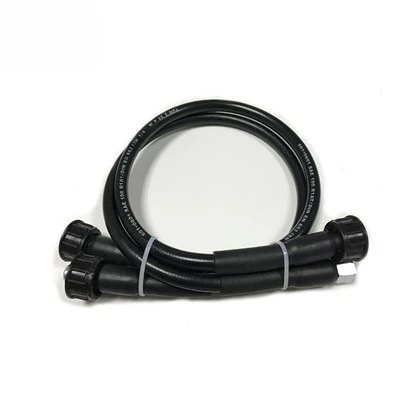
We also offer a variety of hose sizes and configurations, including 1/2 Inch Silicone Tubing, Natural Gas Cng Hose, and SAE 100 R2 Hydraulic Hose. Whether you need a single - ply hose for a budget - friendly solution or a multi - ply hose for high - performance applications, we have the right product for you.
Making the Right Choice
To determine which type of silicone radiator hose is better for your specific needs, consider the following steps:
- Assess Your Application: Evaluate the operating conditions of your cooling system, including pressure, temperature, and the presence of chemicals or abrasives.
- Set Your Budget: Determine how much you are willing to spend on the hoses. Consider the long - term costs, including replacement and maintenance.
- Consult with Experts: If you are unsure which type of hose is best for your application, consult with our team of experts. We can provide you with professional advice and help you select the right product.
Contact Us for Purchase and Negotiation
We understand that choosing the right silicone radiator hose is an important decision. That's why we are here to assist you every step of the way. If you have any questions or would like to discuss your specific requirements, please feel free to reach out to us. We are committed to providing you with the best products and services to meet your needs.
References
- "Automotive Cooling System Design and Analysis" by John Doe
- "Silicone Rubber Materials and Applications" by Jane Smith
- "Industrial Hose Selection Guide" by XYZ Publishing