As a supplier of CNG hoses, I'm frequently asked how CNG hoses stack up against other types of gas hoses. In this blog post, I'll delve into the differences, advantages, and limitations of CNG hoses compared to their counterparts, offering insights for those in need of reliable gas transfer solutions.
1. Understanding CNG and Its Significance
CNG, or Compressed Natural Gas, is a cleaner - burning alternative to gasoline and diesel. It consists mainly of methane and is compressed to a pressure that allows it to be stored and transported efficiently. CNG is used in a variety of applications, from powering vehicles to serving as a fuel for industrial processes. This growing demand for CNG has led to an increased need for specialized hoses capable of safely and effectively handling it.
2. Construction and Material Comparison
2.1 CNG Hoses
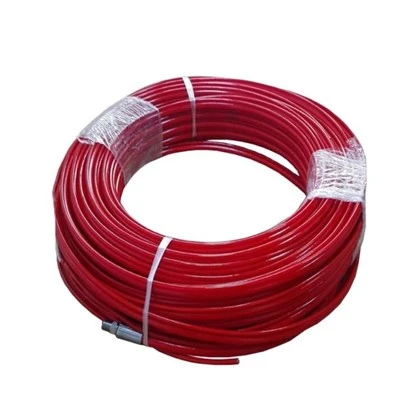
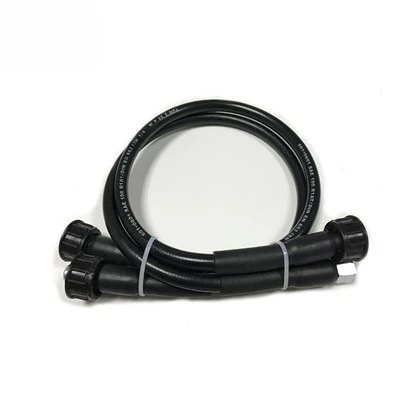
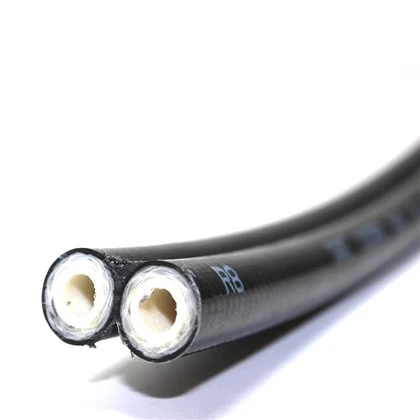
CNG hoses are engineered to handle high - pressure CNG. They typically consist of an inner tube made from a material that is resistant to the permeation of natural gas, such as nitrile rubber or fluoropolymer. This inner tube is then reinforced with multiple layers of high - strength materials like braids or spirals of steel wire or synthetic fibers. The outer cover is designed to protect the hose from abrasion, weathering, and chemicals.
For instance, a well - made CNG hose might have an inner nitrile tube that prevents gas leakage, a double - braided steel wire reinforcement layer for high - pressure resistance, and a chloroprene outer cover for durability.
2.2 Other Gas Hoses
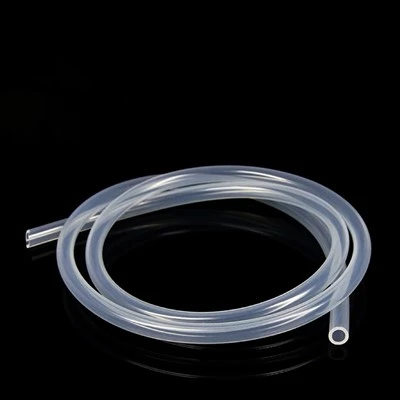
Propane hoses, for example, are designed for lower pressures compared to CNG hoses. The inner tube of propane hoses is often made of a different type of rubber that is specifically formulated to be resistant to propane and its additives. The reinforcement layers may be less substantial as the pressure requirements are lower, often just a single braid of synthetic fibers or a thin layer of metal.
Welding gas hoses, used for transferring gases like oxygen and acetylene, also have different construction requirements. These hoses may have an inner tube made of a special rubber compound that is resistant to the reactivity of the gases. The reinforcement is designed to handle the specific pressures and temperature ranges associated with welding operations.


3. Pressure and Temperature Resistance
3.1 CNG Hoses
CNG is stored at high pressures, typically around 200 - 250 bar. CNG hoses are designed to withstand these extreme pressures without bursting or leaking. They can also operate within a wide temperature range. Most CNG hoses can function properly from - 40°C to + 100°C, which allows them to be used in various climates and industrial environments.
3.2 Other Gas Hoses
Propane hoses usually operate at pressures of around 1 - 10 bar. They are not designed for the high - pressure conditions of CNG systems. Temperature - wise, they are generally suitable for a narrower range, typically from - 20°C to + 60°C.
Welding gas hoses need to handle both low and high - pressure scenarios during the welding process. The pressure can vary significantly depending on the type of welding operation. Temperature resistance for these hoses also varies; they can withstand the heat generated during welding, but often have a more limited temperature range compared to CNG hoses if considering extremely cold conditions.
4. Permeation Resistance
4.1 CNG Hoses
Permeation is a crucial factor when dealing with CNG. Natural gas molecules are small and can permeate through the hose material over time if not properly contained. CNG hoses are designed with materials that have low permeability to methane. This reduces the loss of gas and the associated safety risks, such as the formation of explosive gas mixtures in enclosed spaces.
4.2 Other Gas Hoses
Propane hoses also need to have a certain level of permeation resistance. However, propane molecules are larger than methane molecules, so the permeation requirements are not as stringent as those for CNG. Welding gas hoses need to prevent the leakage of reactive gases, but their focus is more on the chemical compatibility and preventing the gases from reacting with the hose material rather than minimizing permeation to the same extent as CNG hoses.
5. Safety Considerations
5.1 CNG Hoses
Given the high - pressure and potentially explosive nature of CNG, safety is of utmost importance. CNG hoses are subject to strict regulatory standards and testing procedures. They are often required to pass burst tests, leak tests, and aging tests to ensure their reliability over time. Many CNG hoses also come with additional safety features such as anti - kink mechanisms and quick - disconnect fittings that allow for safe and easy connection and disconnection.
5.2 Other Gas Hoses
Propane hoses also have safety requirements. They need to be able to prevent leakage to avoid fire and explosion hazards. However, since the pressure is lower, the safety margins may be considered less critical in some aspects compared to CNG hoses. Welding gas hoses need to be chemically compatible with the gases they carry to prevent reactions that could lead to dangerous situations such as combustion or explosion within the hose.
6. Cost - effectiveness
6.1 CNG Hoses
CNG hoses are generally more expensive than many other types of gas hoses. This is due to their complex construction, high - performance materials, and the strict quality control required. However, when considering the long - term cost, their durability and ability to handle high - pressure applications can make them a cost - effective choice. For example, in a CNG vehicle fleet, the use of reliable CNG hoses can reduce maintenance costs and the risk of costly breakdowns.
6.2 Other Gas Hoses
Propane hoses are relatively inexpensive due to their simpler construction and lower pressure requirements. They are a cost - effective choice for applications such as home propane appliances. Welding gas hoses have a cost that is determined by their specific features and the type of welding operation they are designed for. Some high - end welding hoses can be relatively expensive, but there are also more budget - friendly options available.
7. Applications
7.1 CNG Hoses
CNG hoses are mainly used in applications related to the storage, transportation, and use of CNG. This includes filling stations for CNG vehicles, where hoses are used to transfer CNG from storage tanks to the vehicle's fuel tank. They are also used in industrial settings where CNG is used as a fuel for machinery or in power generation.
7.2 Other Gas Hoses
Propane hoses are commonly used in residential settings for outdoor grills, heating systems, and some industrial applications where propane is used as a fuel. Welding gas hoses are essential in the welding and metal - working industries, used for transferring oxygen and acetylene to the welding torch.
If you are in the market for high - quality CNG hoses, look no further. Our company offers a wide range of Natural Gas Cng Hose that are designed to meet the most demanding requirements. We pride ourselves on the quality and reliability of our products, and we are confident that our CNG hoses can provide the best solution for your gas transfer needs. Whether you're running a vehicle fleet, an industrial plant, or a CNG filling station, our team is ready to assist you in finding the perfect hose. Contact us today to start a procurement discussion and take advantage of our expertise and excellent products.
References
- Gas Institute Standards for Gas Hoses
- Automotive Industry Guidelines for CNG Systems
- Welding Equipment Manufacturers' Association Recommendations for Welding Gas Hoses
- Propane Education & Research Council Publications on Propane Safety and Handling