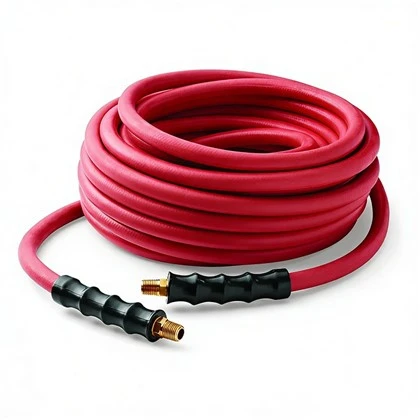
As a seasoned supplier of automotive rubber hoses, I've witnessed firsthand the challenges and opportunities that come with the lifecycle of these essential components. In this blog, I'll share insights on the best ways to dispose of old automotive rubber hoses, a topic that's not only crucial for environmental sustainability but also for the efficient operation of the automotive industry.
Understanding the Types of Automotive Rubber Hoses
Before delving into disposal methods, it's important to understand the different types of automotive rubber hoses. Each type serves a specific function and may require different disposal approaches.
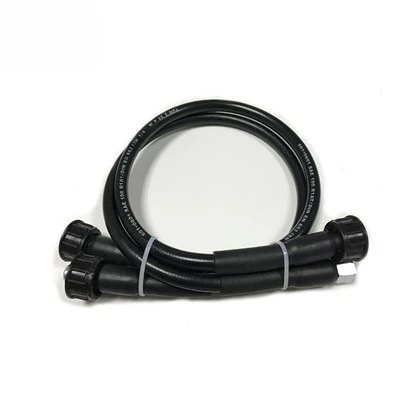
- High Pressure Washer Hose: These hoses are designed to withstand high-pressure water flow, commonly used for automotive cleaning. You can learn more about them here.
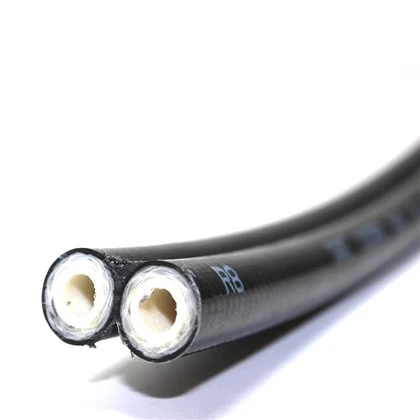
- Automotive Coolant Hose: Responsible for carrying coolant to regulate the engine's temperature, these hoses are vital for the proper functioning of the cooling system. Find out more about automotive coolant hoses here.
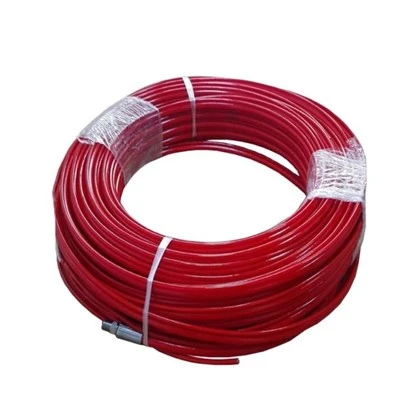
- R404A Auto Air Condition Hose: Used in automotive air conditioning systems, these hoses transport refrigerant to keep the cabin cool. Explore R404A auto air condition hoses here.
- Silicone Hose Clamp: These clamps are used to secure hoses in place, ensuring a tight and leak-free connection. Discover more about silicone hose clamps here.
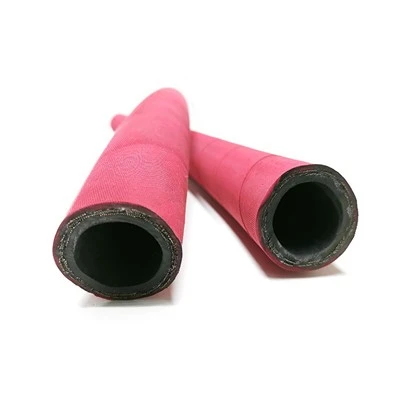
- Automotive Power Steering Hose: Essential for the power steering system, these hoses transmit hydraulic fluid to assist in steering. Learn more about automotive power steering hoses here.
Environmental Impact of Improper Disposal
Improper disposal of old automotive rubber hoses can have significant environmental consequences. Rubber is a non-biodegradable material, meaning it can take hundreds of years to break down in landfills. When rubber hoses are discarded in landfills, they can release harmful chemicals and pollutants into the soil and groundwater, posing a threat to human health and the environment.
In addition, the production of new rubber hoses requires significant amounts of energy and resources. By properly disposing of old hoses and recycling them, we can reduce the demand for new materials and minimize the environmental impact of the automotive industry.
Best Ways to Dispose of Old Automotive Rubber Hoses
There are several ways to dispose of old automotive rubber hoses, each with its own advantages and disadvantages. Here are some of the best methods:
Recycling
Recycling is one of the most environmentally friendly ways to dispose of old automotive rubber hoses. By recycling rubber hoses, we can reduce the demand for new materials and minimize the environmental impact of the automotive industry.
There are several types of recycling processes for rubber hoses, including mechanical recycling, chemical recycling, and pyrolysis. Mechanical recycling involves shredding the rubber hoses into small pieces and then reusing them to make new products, such as rubber mats, tires, and other automotive components. Chemical recycling involves breaking down the rubber hoses into their chemical components and then using them to make new products. Pyrolysis involves heating the rubber hoses in the absence of oxygen to break them down into their chemical components, which can then be used to make new products.
To recycle old automotive rubber hoses, you can contact your local recycling center or waste management company to see if they accept rubber hoses. Some recycling centers may require you to separate the rubber hoses from other materials and may have specific requirements for how the hoses should be prepared for recycling.
Reuse
Another way to dispose of old automotive rubber hoses is to reuse them. Depending on the condition of the hoses, they may be suitable for use in other applications. For example, you can use old rubber hoses as garden hoses, water hoses, or even as insulation for pipes.
To reuse old automotive rubber hoses, you can clean them thoroughly and inspect them for any damage or wear. If the hoses are in good condition, you can cut them to the desired length and use them for your intended application.
Donation
If the old automotive rubber hoses are still in good condition, you can consider donating them to a local charity or organization. There are many organizations that accept donations of automotive parts and materials, which can be used to repair and maintain vehicles for people in need.
To donate old automotive rubber hoses, you can contact your local charity or organization to see if they accept donations of rubber hoses. Some organizations may require you to drop off the hoses at a specific location or may have specific requirements for how the hoses should be prepared for donation.
Proper Disposal
If the old automotive rubber hoses cannot be recycled, reused, or donated, they should be disposed of properly. This means following the local regulations and guidelines for waste disposal.
In most cases, old automotive rubber hoses can be disposed of in the regular trash. However, it's important to check with your local waste management company to see if there are any specific requirements or restrictions for disposing of rubber hoses. Some waste management companies may require you to separate the rubber hoses from other materials or may have specific requirements for how the hoses should be prepared for disposal.


Tips for Proper Disposal
To ensure that old automotive rubber hoses are disposed of properly, here are some tips to keep in mind:
- Separate the hoses from other materials: Before disposing of old automotive rubber hoses, it's important to separate them from other materials, such as metal, plastic, and glass. This will make it easier for the recycling center or waste management company to process the hoses.
- Clean the hoses thoroughly: Before recycling or reusing old automotive rubber hoses, it's important to clean them thoroughly to remove any dirt, debris, or contaminants. This will ensure that the hoses are in good condition and can be used for their intended application.
- Inspect the hoses for damage or wear: Before recycling or reusing old automotive rubber hoses, it's important to inspect them for any damage or wear. If the hoses are damaged or worn, they may not be suitable for recycling or reuse and should be disposed of properly.
- Follow the local regulations and guidelines: When disposing of old automotive rubber hoses, it's important to follow the local regulations and guidelines for waste disposal. This will ensure that the hoses are disposed of safely and in an environmentally friendly manner.
Conclusion
Disposing of old automotive rubber hoses is an important issue that requires careful consideration. By understanding the different types of automotive rubber hoses, the environmental impact of improper disposal, and the best ways to dispose of old hoses, we can take steps to minimize the environmental impact of the automotive industry and ensure that these essential components are disposed of safely and responsibly.
If you're in the market for high-quality automotive rubber hoses, I invite you to contact us to discuss your specific needs. Our team of experts can help you find the right hoses for your application and provide you with the support and guidance you need to ensure a successful purchase.
References
- "Automotive Rubber Hoses: Types, Applications, and Manufacturing Processes." Rubber & Plastics News, 2023.
- "The Environmental Impact of Rubber Recycling." Journal of Environmental Science and Technology, 2022.
- "Best Practices for Disposing of Automotive Rubber Hoses." Automotive News, 2021.