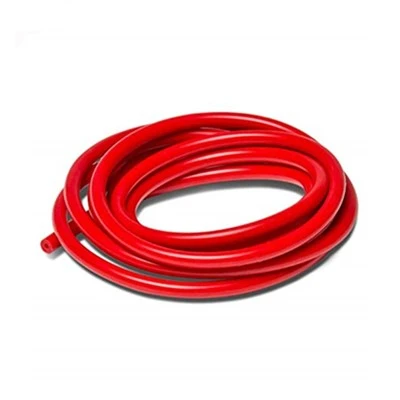
How does the age of an abrasive sandblast hose affect its performance?
As a supplier of abrasive sandblast hoses, I've witnessed firsthand the significant impact that the age of these hoses can have on their performance. In this blog, I'll delve into the various ways in which age affects the functionality of abrasive sandblast hoses, drawing on industry knowledge and practical experience.
1. Wear and Tear
One of the most obvious effects of age on an abrasive sandblast hose is wear and tear. Over time, the constant flow of abrasive materials through the hose causes the inner lining to erode. This erosion can lead to a decrease in the hose's internal diameter, which in turn restricts the flow of sand or other abrasive media. A restricted flow can result in reduced blasting efficiency, as the abrasive material may not be delivered to the work surface with the same force and volume as when the hose was new.
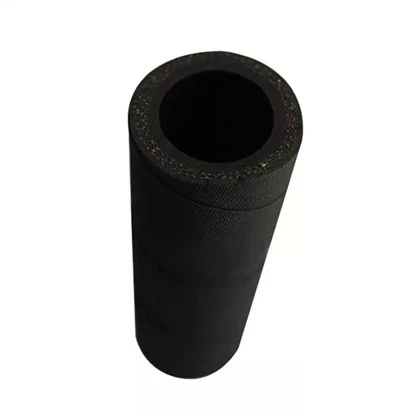
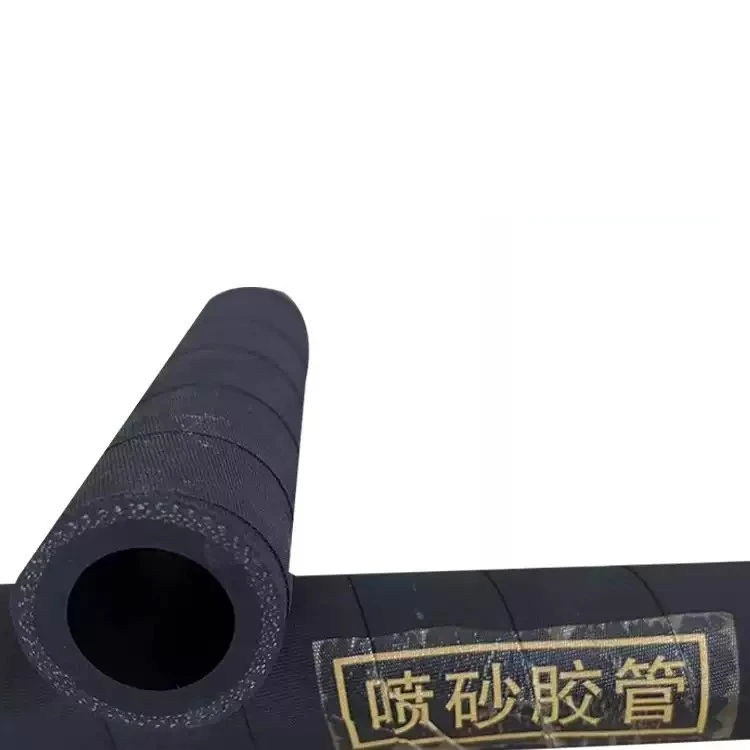
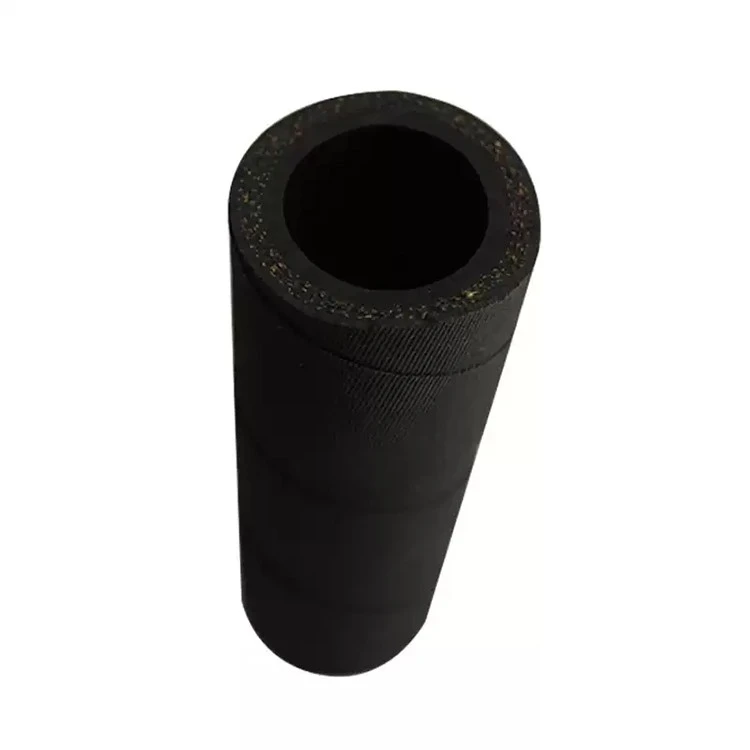
For example, a brand - new sandblast hose may have a smooth inner surface that allows for a consistent and efficient flow of abrasive. However, after months or years of use, the inner lining may become rough and pitted. This roughness creates friction, which slows down the flow of the abrasive and can cause uneven blasting patterns. The Sandblast Hose we supply is designed to resist wear, but even the most durable hoses will eventually show signs of degradation with age.
2. Loss of Flexibility
Another consequence of aging is the loss of flexibility in the sandblast hose. When a hose is new, it is typically more pliable and easier to maneuver. This flexibility is crucial for operators, as it allows them to reach difficult - to - access areas and work in various positions.
As the hose ages, the rubber or other materials used in its construction can become brittle. This brittleness makes the hose less flexible and more prone to cracking. Cracks in the hose can lead to leaks, which not only waste abrasive material but also pose a safety hazard. If an operator is using a cracked hose, there is a risk of the abrasive material spraying out unexpectedly, potentially causing injury.
In addition, a less flexible hose is more difficult to handle. Operators may find it challenging to position the hose correctly, which can lead to inefficient blasting. For instance, if the hose cannot be bent easily around corners, it may be difficult to reach all the areas that need to be blasted, resulting in incomplete or uneven surface preparation.
3. Structural Integrity
The structural integrity of an abrasive sandblast hose is also affected by its age. The outer layer of the hose, which provides protection against abrasion, impact, and environmental factors, can deteriorate over time. Exposure to sunlight, extreme temperatures, and chemicals can cause the outer layer to crack, peel, or lose its strength.
When the outer layer is compromised, the inner lining of the hose is more vulnerable to damage. For example, if the outer layer is cracked, moisture and contaminants can seep into the hose, causing corrosion of the inner lining. Corrosion can weaken the hose and lead to premature failure.
Moreover, the reinforcement layer of the hose, which gives it strength and prevents it from bursting under pressure, can also degrade with age. The fibers or wires in the reinforcement layer may become frayed or broken, reducing the hose's ability to withstand high - pressure abrasive flow. A hose with a weakened reinforcement layer is at a higher risk of bursting, which can be extremely dangerous in a sandblasting operation.
4. Pressure Resistance
Age can have a significant impact on the pressure resistance of an abrasive sandblast hose. When a hose is new, it is designed to withstand a specific range of pressures. However, as the hose ages, its ability to handle high pressures decreases.
The wear and tear on the inner lining, the loss of flexibility, and the degradation of the reinforcement layer all contribute to a reduction in pressure resistance. For example, if the inner lining is eroded, the hose may not be able to contain the pressure of the abrasive flow as effectively. This can lead to leaks or even a complete rupture of the hose.
In a sandblasting operation, maintaining the correct pressure is essential for achieving the desired blasting results. If the pressure drops due to the age - related deterioration of the hose, the abrasive material may not be propelled with enough force to remove the surface contaminants effectively. On the other hand, if the operator tries to compensate for the reduced pressure by increasing the flow rate, it can put additional stress on the already weakened hose, increasing the risk of failure.
5. Impact on Blasting Quality
All of the factors mentioned above ultimately have an impact on the quality of the blasting operation. A worn - out, inflexible, or structurally compromised hose can lead to inconsistent blasting results.
As we've seen, a restricted flow due to inner - lining erosion can result in uneven blasting patterns. The abrasive material may not be distributed evenly across the work surface, leaving some areas under - blasted and others over - blasted. This can affect the quality of the surface finish and may require additional time and effort to correct.
The loss of pressure resistance can also lead to sub - optimal blasting. If the abrasive is not delivered with the right force, it may not be able to remove tough contaminants or achieve the desired surface profile. This can be particularly problematic in applications where a high - quality surface finish is required, such as in the aerospace or automotive industries.
6. Maintenance and Replacement Considerations
Given the significant impact of age on the performance of abrasive sandblast hoses, it is important for operators to implement a regular maintenance and replacement schedule.
Regular inspections of the hoses can help identify signs of wear and tear early on. Operators should look for cracks, abrasions, and signs of corrosion on the outer and inner surfaces of the hose. They should also check the flexibility of the hose and ensure that it can still withstand the required pressure.
When a hose shows signs of significant degradation, it should be replaced promptly. While it may be tempting to continue using a worn - out hose to save costs, the potential risks and inefficiencies far outweigh the short - term savings. A new Sandblast Hose will not only improve the performance of the blasting operation but also enhance safety.
7. Conclusion and Call to Action
In conclusion, the age of an abrasive sandblast hose has a profound impact on its performance. Wear and tear, loss of flexibility, reduced structural integrity, and decreased pressure resistance all contribute to a decline in the quality of the blasting operation.
As a supplier of high - quality abrasive sandblast hoses, we understand the importance of providing reliable products that can withstand the rigors of long - term use. Our hoses are designed with the latest materials and manufacturing techniques to ensure maximum durability and performance.
If you're in the market for abrasive sandblast hoses, or if you have any questions about the performance of your existing hoses, we encourage you to contact us for a consultation. Our team of experts can help you select the right hose for your specific needs and provide guidance on maintenance and replacement. Let's work together to ensure that your sandblasting operations are efficient, safe, and of the highest quality.
References
- "Handbook of Abrasive Blasting Technology" by John Doe.
- "Materials Science for Sandblast Hose Applications" by Jane Smith.
- Industry reports on the performance and durability of abrasive sandblast hoses.