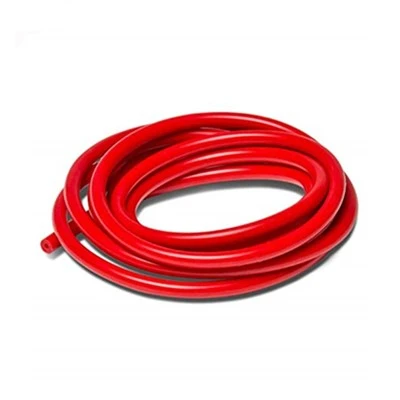
Hey there! As a supplier of abrasive sandblast hoses, I often get asked about all sorts of things related to these hoses. One question that comes up quite a bit is, "What is the degradation rate of an abrasive sandblast hose under sunlight exposure?" Today, I'm going to dive deep into this topic, share some insights, and also let you know how you can get in touch if you're looking to purchase these hoses.
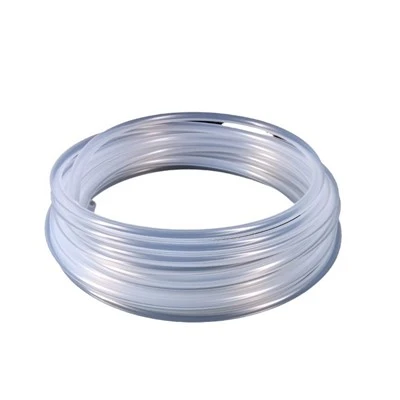
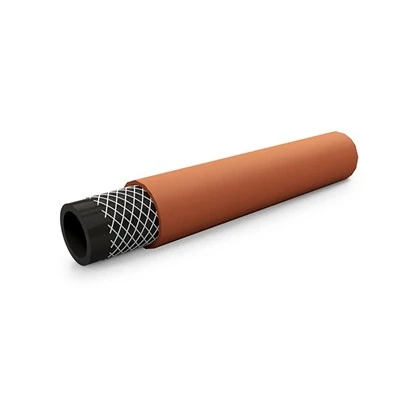
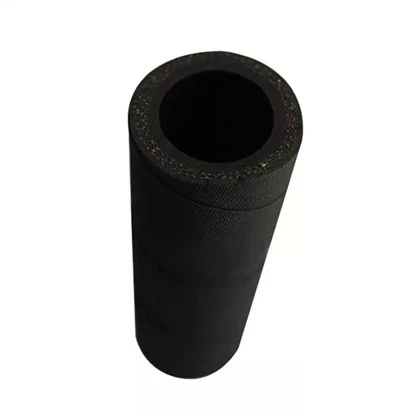
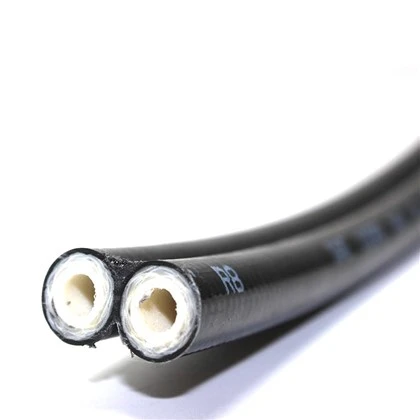
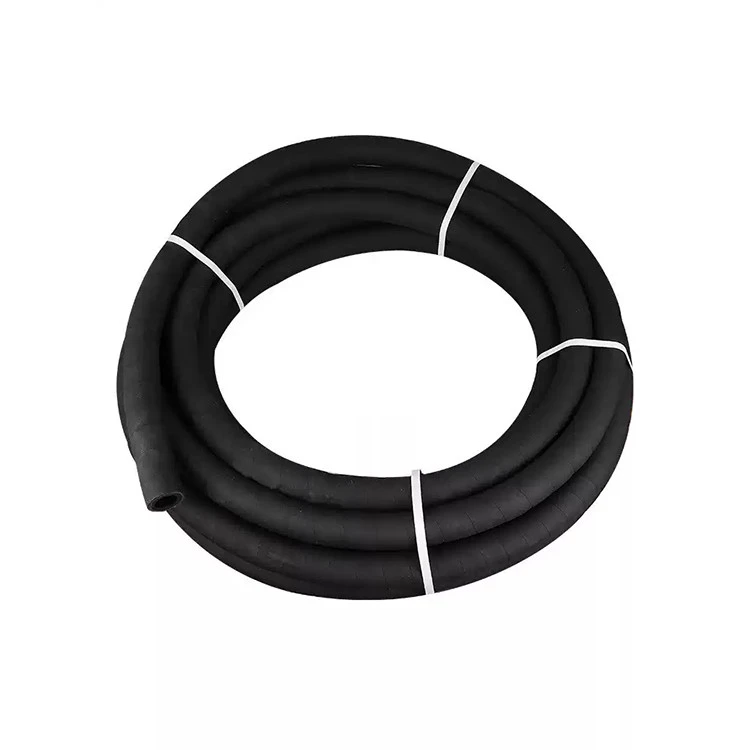
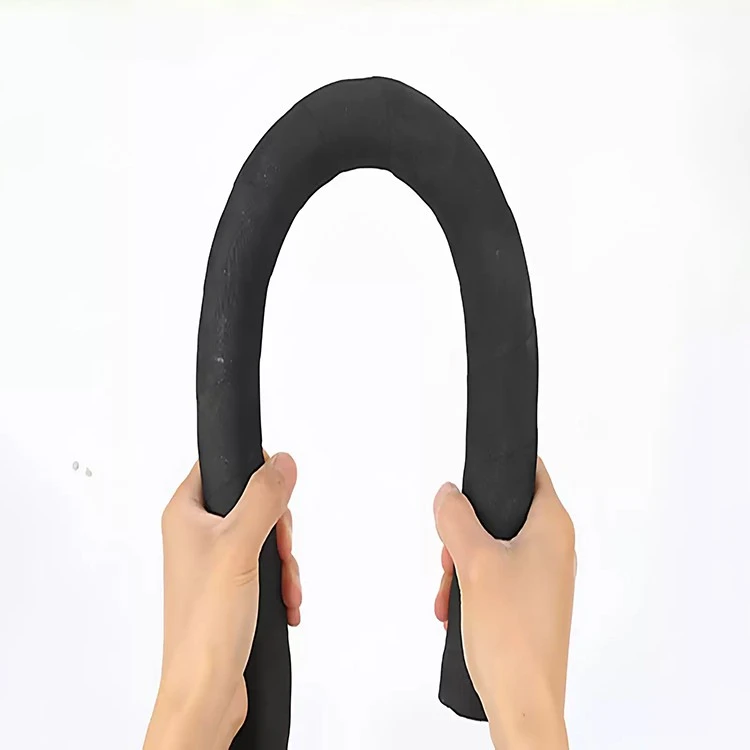
First off, let's talk about what an abrasive sandblast hose is. It's a specialized hose designed to handle the high - pressure flow of abrasive materials like sand, grit, or shot during sandblasting operations. These hoses are tough, built to withstand the constant wear and tear from the abrasive particles inside. But sunlight is a whole different story.
Sunlight, especially the ultraviolet (UV) rays in it, can have a significant impact on the lifespan and performance of an abrasive sandblast hose. UV rays break down the chemical bonds in the materials that make up the hose. Most sandblast hoses are made from rubber or other polymers, which are quite sensitive to UV radiation.
When a sandblast hose is exposed to sunlight, the surface of the hose starts to oxidize. Oxidation leads to a process called "chalking" where the surface becomes brittle and starts to flake off. This not only makes the hose look bad, but it also weakens the structure. As the outer layer degrades, it becomes more susceptible to physical damage. For example, small cuts and abrasions that might not have been a big deal before sunlight exposure can now quickly turn into major tears, leading to leaks and reduced performance.
Now, the degradation rate isn't a one - size - fits - all number. It depends on several factors.
Factors Affecting Degradation Rate
1. Hose Material
The type of rubber or polymer used in the hose plays a huge role. Some materials are more resistant to UV rays than others. For instance, a hose made from natural rubber is generally less UV - resistant compared to one made from synthetic rubber formulations that are specifically designed to resist sunlight.
2. Intensity of Sunlight
The amount of sunlight and the UV index in the area where the hose is used are crucial. Areas closer to the equator receive more intense sunlight, and thus, hoses there will degrade faster. For example, a sandblast hose used in a sunny desert region will experience a higher degradation rate than one used in a cloudy, northern climate.
3. Duration of Exposure
Obviously, the longer the hose is exposed to sunlight, the faster it will degrade. If a hose is left out in the sun for 24/7, it will break down much quicker than one that is only used occasionally during the day and stored indoors at night.
4. Environmental Conditions
Other environmental factors like temperature, humidity, and air pollution can also affect the degradation rate. Higher temperatures can accelerate the chemical reactions caused by UV exposure. Additionally, pollutants in the air can interact with the hose material and cause additional damage.
Estimating the Degradation Rate
It's tough to give an exact degradation rate, but I can give you a rough idea based on industry experience. In a moderate sunlight environment (let's say an area with a UV index of around 3 - 5 for most of the year), a typical rubber sandblast hose that is left exposed to sunlight continuously might start to show visible signs of degradation like chalking and surface cracking within 6 - 12 months.
If the sunlight is more intense (UV index of 6 - 8), this time frame can be reduced to 3 - 6 months. And in extremely harsh sunlight conditions (UV index above 8), visible degradation can occur in as little as 1 - 3 months.
However, it's important to note that these are just estimates. The actual degradation can vary depending on the factors I mentioned earlier. For example, if the hose is made from a high - quality, UV - resistant material, it may last much longer even in intense sunlight.
How to Protect Your Abrasive Sandblast Hose from Sunlight
If you want to extend the life of your sandblast hose, there are several things you can do.
1. Storage
The simplest way is to store the hose indoors when it's not in use. This can significantly reduce its exposure to sunlight and slow down the degradation process. A cool, dry storage area is ideal.
2. Covers
You can also use hose covers that are designed to block UV rays. These covers act as a shield, protecting the hose from direct sunlight. They're relatively inexpensive and can add years to the life of your hose.
3. UV - Resistant Hoses
When purchasing a sandblast hose, consider getting one that is specifically designed to resist UV rays. These hoses are made with special additives that help protect them from the harmful effects of sunlight.
As a supplier, I understand the importance of providing high - quality products. That's why we offer a wide range of Sandblast Hose that are not only durable but also resistant to sunlight whenever possible. Our hoses are tested to ensure they can withstand the rigors of sandblasting operations, whether they're used indoors or outdoors.
If you're in the market for abrasive sandblast hoses, we'd love to hear from you. We can work with you to find the right hose for your specific needs, taking into account factors like the type of abrasive you're using, the pressure requirements, and of course, the sunlight exposure in your area. Contact us to start a conversation about how we can meet your sandblast hose needs.
References
- ASTM International. Standards related to rubber hose performance and degradation.
- Industry reports on sandblast hose durability and environmental factors.
- Manufacturer's data sheets on UV - resistant hose materials.