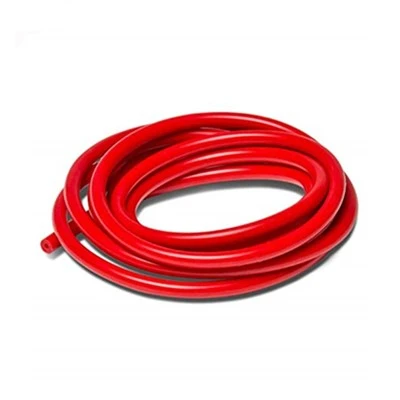
Automotive rubber hoses are integral components in vehicles, engineered to transport a variety of fluids safely and efficiently. As a leading automotive rubber hose supplier, we understand the importance of these hoses in ensuring the optimal performance and reliability of automotive systems. In this blog post, we will explore the different types of fluids that automotive rubber hoses can carry, highlighting their importance and the specific requirements of each application.


1. Fuel
Fuel is one of the most critical fluids in an automotive system, and the rubber hoses used to carry it must meet strict safety and performance standards. Fuel line hoses Fuel Line Hose are designed to resist the corrosive effects of gasoline, diesel, and other fuel blends, preventing leaks and ensuring a consistent flow of fuel to the engine. These hoses are typically made from synthetic rubber compounds, such as nitrile rubber (NBR) or fluorocarbon rubber (FKM), which offer excellent chemical resistance and flexibility.
In addition to chemical resistance, fuel hoses must also be able to withstand high pressures and temperatures. The fuel injection systems in modern vehicles operate at much higher pressures than older carbureted engines, requiring hoses that can maintain their integrity under these conditions. Our fuel line hoses are engineered to handle these pressures and temperatures, ensuring reliable performance and safety.
2. Coolant
Automotive coolant is a mixture of water and antifreeze that helps regulate the temperature of the engine. Coolant hoses Automotive Coolant Hose are responsible for circulating the coolant between the engine, radiator, and other components of the cooling system. These hoses must be able to withstand the high temperatures and pressures generated by the engine, as well as the corrosive effects of the coolant.
Ethylene propylene diene monomer (EPDM) rubber is commonly used in the manufacturing of coolant hoses due to its excellent heat resistance, flexibility, and resistance to aging. Our automotive coolant hoses are made from high-quality EPDM rubber, ensuring long-term durability and reliability. They are also designed to provide a tight seal, preventing coolant leaks and maintaining the efficiency of the cooling system.
3. Water
Car water hoses Car Water Hose play a crucial role in various automotive applications, such as the windshield washer system and engine water circulation. In the windshield washer system, water hoses transport water or a cleaning solution from the reservoir to the nozzles, allowing the driver to clean the windshield for better visibility. In the engine, water hoses are part of the cooling system, helping to carry water and coolant to dissipate heat.
These hoses need to be flexible and lightweight to be easily routed around the vehicle's components. Natural rubber or thermoplastic elastomers are often used in their construction, offering good flexibility and resistance to abrasion. Our car water hoses are designed to be user - friendly, with smooth interiors to ensure a consistent flow of water and reliable performance.
4. Refrigerant
The air conditioning system in a vehicle relies on refrigerant hoses Air Conditioning Recharge Hose to circulate refrigerant between the compressor, condenser, evaporator, and other components. The refrigerant used in automotive air conditioning systems, such as R - 134a or the newer R - 1234yf, is a specialized fluid that changes state from a gas to a liquid and back again to transfer heat and cool the vehicle's interior.
These hoses must be able to withstand the high pressures of the refrigerant and prevent leaks, as refrigerant leaks not only reduce the efficiency of the air conditioning system but can also have environmental impacts. They are typically made from multi - layer rubber or composite materials that provide excellent barrier properties to prevent refrigerant leakage. Our air conditioning recharge hoses are designed to meet the strict requirements of automotive air conditioning systems, ensuring optimal performance and environmental friendliness.
5. Liquefied Petroleum Gas (LPG)
Automotive LPG systems are becoming increasingly popular as an alternative fuel option due to their lower emissions and cost - effectiveness. LPG hoses Automotive LPG Hose are used to transport liquefied petroleum gas from the storage tank to the engine. These hoses must be able to handle the unique properties of LPG, including its volatility and potential for permeation.
Specialty rubber compounds, such as butyl rubber, are often used in the manufacturing of LPG hoses because they offer excellent resistance to LPG permeation and chemical attack. Our automotive LPG hoses are designed with a high - level of safety in mind, featuring reinforced construction to prevent bursting and proper fitting to ensure a secure connection.
Conclusion
Automotive rubber hoses serve a vital function in transporting various fluids in vehicles, each with its own set of requirements and challenges. As a trusted automotive rubber hose supplier, we are committed to providing high - quality hoses that meet the strictest industry standards. Our hoses are designed and manufactured with precision, using the latest materials and technology to ensure reliability, durability, and safety.
Whether you are an automotive manufacturer, a repair shop, or a parts distributor, we have the right automotive rubber hoses to meet your specific needs. If you are interested in purchasing our automotive rubber hoses or have any questions about our products, please feel free to contact us for a detailed discussion. We are eager to work with you and help you find the best solutions for your automotive fluid transport needs.
References
- "Automotive Hoses: Design, Materials and Testing" by William J. Greene
- SAE International standards on automotive hoses
- Technical literature from rubber compound manufacturers