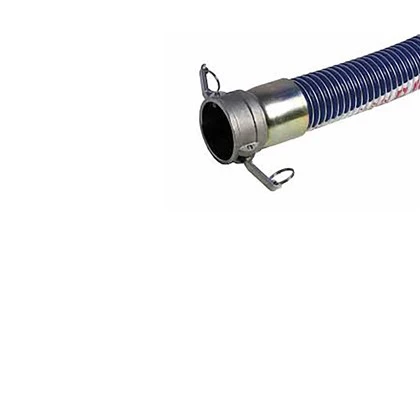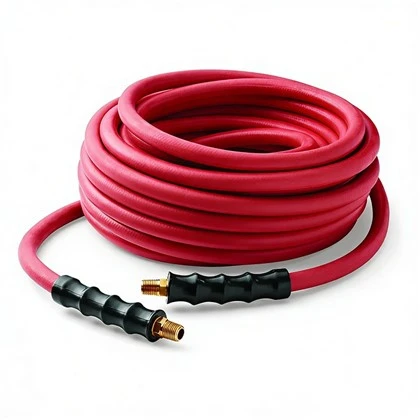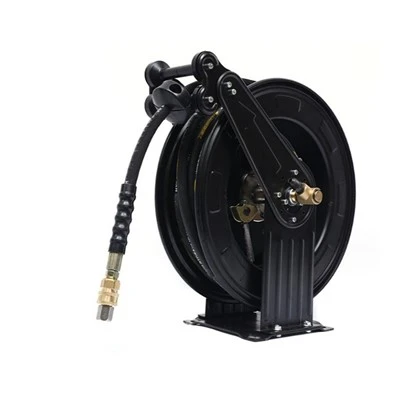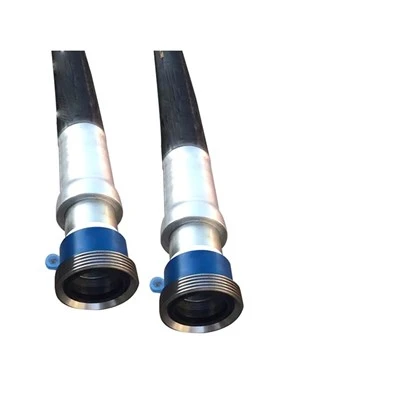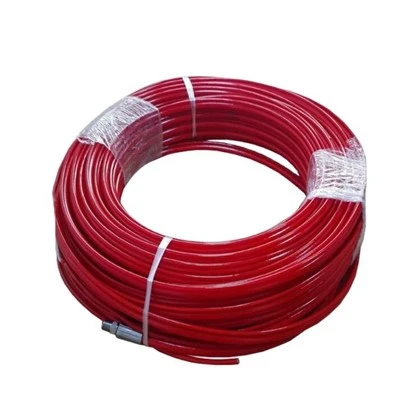
Yo! I'm a supplier of composite hoses, and in this blog, I'm gonna share with you how to properly dispose of a used composite hose. It's not just about tossing it out; there are some important steps and things to consider to make sure we're doing it right and being eco - friendly at the same time.
First things first, let's talk about why proper disposal matters. Composite hoses are made up of multiple layers, which can contain various materials like polymers, fibers, and sometimes even metals. If we don't dispose of them correctly, these materials can end up in landfills, where they might take a really long time to break down, or worse, they could release harmful substances into the environment.
Inspection and Assessment
Before you start the disposal process, give your used composite hose a good look - see. Check for any signs of damage, wear, or contamination. If the hose has been used to transfer chemicals, there's a chance it could still have some residues on the inside. You don't want to just throw it away without dealing with that.
If the hose is only slightly damaged and still has some life left in it, you might be able to repair it. There are some simple repair methods for minor cuts or abrasions. But if the damage is severe - like large holes, delamination, or if it's been exposed to extreme conditions that could have weakened the structure - then it's probably time for disposal.
Cleaning the Hose
Once you've decided that the hose needs to be disposed of, the next step is cleaning. This is super important, especially if the hose has been in contact with hazardous materials. You don't want to spread those substances around during the disposal process.
Start by draining any remaining liquid from the hose. You can do this by tilting the hose and letting gravity do its thing. Then, use a suitable cleaning agent. For hoses that have carried water - based substances, plain water might be enough. But if it's been used for oil or chemicals, you'll need a more specialized cleaner. Make sure you follow the manufacturer's instructions when using any cleaning products.
After cleaning, rinse the hose thoroughly to remove all traces of the cleaning agent and any remaining contaminants. You can use a high - pressure water hose if available to get a really good clean.
Separation of Materials
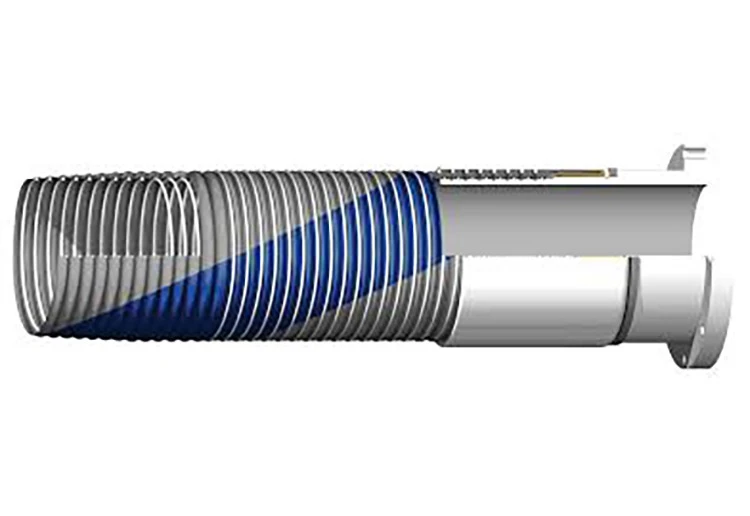
One of the key aspects of proper composite hose disposal is separating the different materials that make up the hose. As I mentioned earlier, composite hoses are made of multiple layers, and each layer might be composed of different materials.
Most composite hoses have an outer cover, an inner liner, and reinforcement layers. The outer cover is usually made of a tough polymer that protects the hose from external damage. The inner liner is designed to be in contact with the fluid being transferred, so it can be made of a chemical - resistant material. The reinforcement layers often contain fibers like polyester or aramid, which give the hose its strength.
You can try to manually separate these layers if possible. For example, you can use a sharp knife to cut through the outer cover and expose the inner layers. Once you've separated the materials, you can group them according to their type. This makes it easier to recycle or dispose of them later.
Recycling Options
Recycling is the best way to dispose of a composite hose if it's possible. There are some recycling facilities that specialize in handling composite materials. You can search online to find a recycling center near you that accepts composite hoses.
When you take your separated materials to the recycling center, make sure you tell them exactly what each material is. This helps them to process the materials more efficiently. Some recycling centers might even pay you for the recycled materials, which is a nice bonus.
However, not all composite hoses can be recycled. If the hose has been severely contaminated or if the materials are too degraded, recycling might not be an option. In that case, we need to look at other disposal methods.
Landfill Disposal (as a Last Resort)
Landfill disposal should be the last option. If recycling isn't possible, and you've done all you can to clean the hose, you can consider sending it to a landfill. But make sure it's a landfill that is permitted to accept composite materials.
Not all landfills are equipped to handle these types of materials. Before you send your hose to a landfill, call them and ask about their policies. You might need to fill out some paperwork or provide information about the hose's composition and previous use.
Regulations and Compliance
Don't forget about the regulations. There are local, state, and federal regulations regarding the disposal of composite hoses, especially if they've been used to transfer hazardous substances. Make sure you're aware of these regulations and follow them strictly.
You can usually find information about these regulations on your local environmental protection agency's website. If you're not sure, you can also consult with a waste management professional.
The Importance of Proper Documentation
Throughout the entire disposal process, it's crucial to keep good records. Document when you inspected the hose, when you cleaned it, and where you sent it for disposal or recycling. This documentation can be useful in case you need to prove that you've followed all the proper procedures.
It can also be helpful for audits and compliance checks. You don't want to get into trouble because you didn't keep proper records.
How Our Composite Hose Assembly Can Help
If you're in the market for new composite hoses, check out our Composite Hose Assembly. We offer high - quality composite hoses that are designed to last. Our hoses are made with the latest technology and materials, ensuring they can handle a wide range of applications.
Whether you need a hose for transferring chemicals, oil, or water, we've got you covered. And when it comes time to replace your hoses, you can count on us to provide you with the best advice on proper disposal.
Connect for More
If you have any questions about composite hoses, disposal, or you're interested in purchasing from us, don't hesitate to reach out. We're here to help you find the perfect solution for your needs. Whether you're a small business or a large industrial operation, we can work with you to get the right hoses at the right price.
References
- Environmental Protection Agency guidelines on waste disposal
- Manufacturer's instructions for composite hose maintenance and cleaning
- Industry reports on composite hose recycling and disposal practices