Corrosion-resistant Woven Silicone Hose: Protecting the Hose in Demanding Environments
In industrial and specialized applications, a silicone hose may be exposed to more than temperature and pressure. Contact with chemicals, surface abrasion, moisture, and surrounding equipment can also influence its service life.
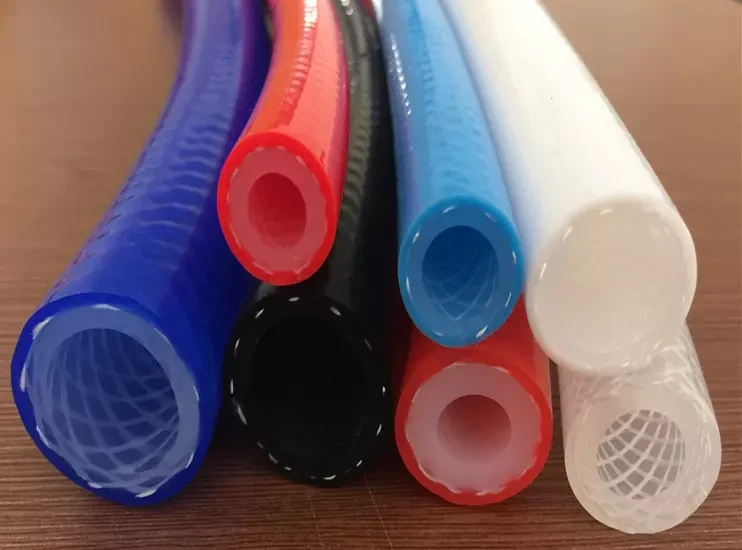
A Corrosion-resistant Woven Silicone Hose is designed for applications where a woven outer structure and suitable material selection are important considerations. However, corrosion resistance should not be understood as universal protection against every chemical or environmental condition. The performance of a hose depends on its complete construction and the environment in which it operates.
Chemical Compatibility Starts With Identifying the Exposure
Before selecting a corrosion-resistant silicone hose, identify the substances that may contact it.
Chemical exposure can occur in different ways. The transported medium may contact the inner wall, while cleaning agents, process chemicals, or accidental splashes may reach the outside surface.
These two exposure conditions should be evaluated separately.
A hose material that is suitable for the transported fluid is not automatically suitable for every chemical that may contact its exterior. Concentration, temperature, exposure duration, and repeated contact can all affect compatibility.
For this reason, buyers should provide the manufacturer with the chemical name, concentration, operating temperature, and expected exposure conditions. When several substances are present, each relevant substance should be identified.
This information helps determine whether the proposed Woven Silicone Hose construction is appropriate for the intended application.
The Woven Structure Needs Protection Too
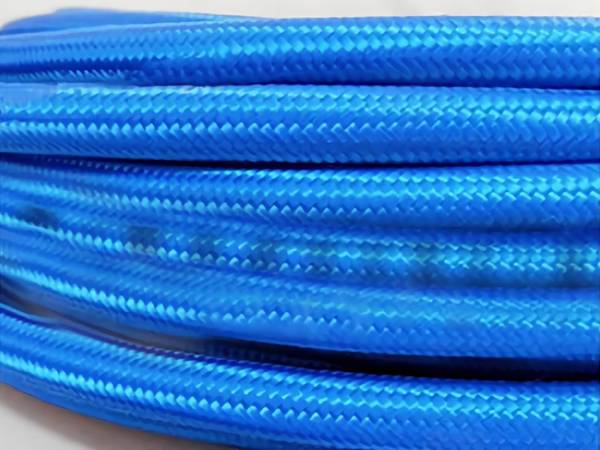
A woven outer layer can provide structural support and help the hose maintain its intended form, depending on the reinforcement design.
However, the presence of a woven layer does not make the hose immune to abrasion or chemical damage.
Repeated contact with sharp edges, rough surfaces, moving components, or unsuitable cleaning agents may damage the outer structure. If the reinforcement becomes exposed or deteriorates, the hose may no longer provide the performance expected from its original construction.
During installation, check the routing path for potential contact points. Where necessary, adjust the hose position or provide suitable protection against abrasion.
Avoid allowing the hose to rub continuously against nearby equipment, especially where vibration or movement can increase friction.
Inspect the Hose Before Damage Becomes Serious
Routine inspection can help identify changes before they develop into more significant problems.
Pay particular attention to areas near fittings, clamps, bends, and points where the hose passes through confined spaces.
Look for:
Cuts, cracks, or unusual surface changes
Fraying or damage to the woven outer layer
Swelling, softening, or other changes in the silicone
Discoloration following chemical exposure
Permanent deformation near connections
Signs of abrasion caused by nearby equipment
These signs do not all indicate the same type of failure. Their significance depends on the hose construction and operating conditions.
If the reinforcement is damaged, the silicone surface shows substantial deterioration, or chemical compatibility is uncertain, the hose should be evaluated before continued use. Do not rely on appearance alone to confirm that the hose remains suitable.
Temperature and Chemical Exposure Must Be Considered Together
Chemical compatibility can change with temperature. A material that performs acceptably under one set of conditions may behave differently at a higher temperature or under prolonged exposure.
This is especially important when a hose is installed near heated equipment or experiences repeated temperature cycles.
Selecting a Corrosion-resistant Woven Silicone Hose based only on a general temperature rating or a broad claim of chemical resistance may therefore be insufficient.
The actual operating temperature, possible temperature peaks, chemical exposure, pressure, and mechanical loads should be reviewed together. The hose's stated capabilities should be checked against these conditions before production and installation.
Replacement Should Address the Original Cause
When a woven silicone hose shows repeated damage, replacing it with an identical product may not solve the underlying problem.
For example, damage concentrated at one point may indicate continuous abrasion. Deterioration after cleaning may suggest that the cleaning agent or procedure is unsuitable. Damage near a fitting may be related to excessive bending, incorrect clamping, or movement at the connection.
Identifying the cause helps determine whether the solution requires a different hose construction, improved routing, better surface protection, or a revised maintenance procedure.
A replacement should also match the required dimensions, pressure conditions, temperature range, reinforcement structure, and chemical compatibility.
Specify the Complete Working Environment
For OEM projects and industrial procurement, a Corrosion-resistant Woven Silicone Hose should be selected according to the complete application rather than a single material characteristic.
Useful specification details include the transported medium, external chemical exposure, temperature range, working pressure, hose dimensions, reinforcement requirements, connection method, and installation environment.
Haidu provides customized silicone hose solutions with options for different dimensions, lengths, wall constructions, and reinforcement configurations according to project requirements. For applications involving corrosive chemicals, the specific substances and operating conditions should be reviewed before the hose construction is confirmed.