Air Intake Hose Replacement: Fitment Checks That Help Prevent Installation Problems
An air intake hose may look like a simple rubber duct, but replacing it involves more than matching the hose diameter. The replacement must follow the original routing, connect securely to the surrounding components, and tolerate the conditions inside the engine compartment. A hose that looks similar to the original can still create installation problems if its shape, connection points, or dimensions are incorrect.
For repair shops, aftermarket suppliers, and automotive parts distributors, checking fitment details before ordering helps reduce unnecessary returns and delays.
1. Match the Hose Shape, Not Just the Diameter
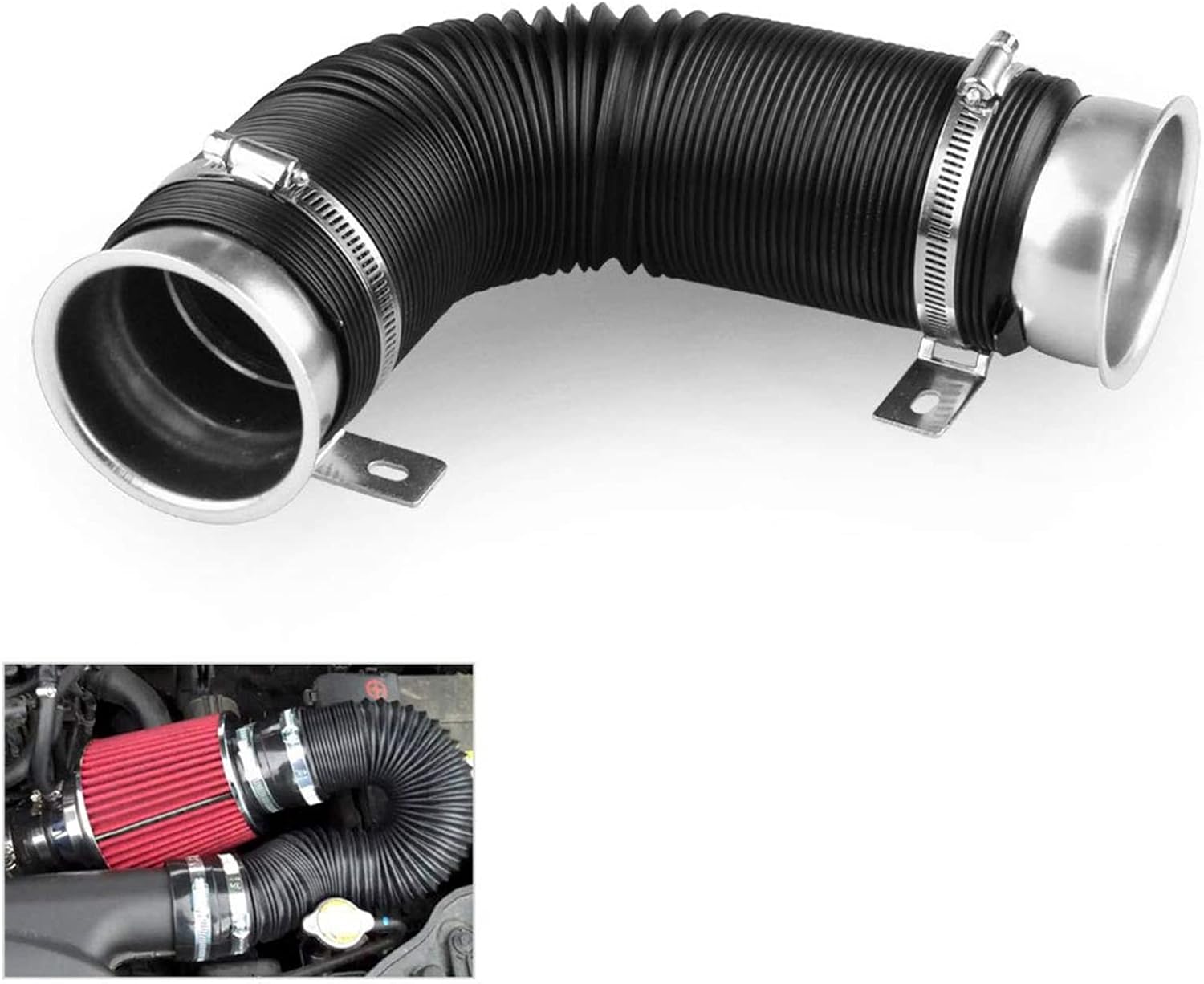
Diameter is one of the first specifications to check, but it is not the only one. An air intake hose may include bends, reducers, corrugated sections, or specially shaped ends to fit within a limited engine-bay space.
If the replacement hose is too long, too short, or has a different bend angle, it may be difficult to install without twisting or stretching it. Excessive tension can place additional stress on the hose and its connections.
When sourcing an Air Intake Hose, compare the following details with the original part:
Inner diameter at each connection
Overall length and bend angles
Shape and position of corrugated sections
Location of mounting points and connecting ports
Orientation of both ends after installation
For non-standard applications, a custom-shaped hose may be more suitable than a universal replacement.
2. Check Every Port and Connection
Some air intake hoses have additional ports for connecting smaller pipes, sensors, or other engine-system components. These details are easy to overlook when purchasing from a product photograph.
Before confirming an order, inspect the original hose and record the number, diameter, and position of all ports. A replacement with a missing or incorrectly positioned connection may require modifications that compromise fitment or sealing.
For vehicles that use separate left- and right-side intake components, verify the exact vehicle application and side designation. A listing described as a "For Left Right Air Intake Hose" should still be checked against the relevant model and engine configuration rather than assumed to fit both sides interchangeably.
The same principle applies to an Air Intake Hose Kit: confirm which components are included and whether the kit matches the intended vehicle.
3. Consider Heat, Oil Exposure, and Material Condition
Air intake hoses operate in different environments depending on their location and engine design. Some are exposed to significant under-hood heat, vibration, and contact with oil mist or other contaminants.
A replacement material should therefore be selected according to the actual operating conditions. A Black Rubber Air Intake Hose may suit a particular application, but color alone does not establish its temperature range, oil resistance, or service life.
When comparing replacement parts, check the specified material, temperature limits, and compatibility with the surrounding environment. Do not assume that every rubber hose is suitable for every intake system.
Also inspect nearby components for signs of rubbing, excessive movement, or heat exposure. If the original hose failed because of contact with another component, installing an identical replacement without addressing the cause may lead to another failure.
4. Inspect the Connections After Installation
Even a correctly specified hose can develop problems if it is installed improperly. Before fitting the replacement, check that the connection surfaces are clean and that the clamps and mating components are in serviceable condition.
During installation:
Align the hose naturally with the connecting components.
Avoid forcing the hose into position or leaving it under unnecessary tension.
Position clamps correctly and tighten them according to the applicable service instructions.
Confirm that no section is pinched, sharply folded, or rubbing against nearby parts.
After installation, inspect the connections for gaps, loose clamps, and abnormal movement. If the engine develops an intake-related warning, rough idle, unusual noise, or other symptoms, diagnose the system rather than assuming the new hose is necessarily defective.
5. Make Fitment Information Part of the Purchasing Process
For distributors and automotive parts buyers, accurate application data is just as important as the physical product. Before placing a bulk order, provide the vehicle make, model, year, engine code where available, and original part number. Reference photographs and measurements can help clarify unusual shapes or connection layouts.
For applications such as an OEM VQ HR/VHR Intake Hose, engine-specific details should be confirmed carefully. Similar model names or visually comparable parts do not guarantee interchangeability.
A reliable replacement process starts with accurate identification, continues with dimensional and material checks, and ends with a proper installation inspection. Paying attention to these details helps buyers source Air Intake Hoses that fit the intended application and reduces avoidable installation issues.