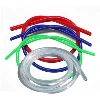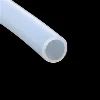

For Medical-Grade Extruded Silicone Tubing, material selection is only one part of maintaining product quality. Storage and handling before installation can also affect the condition of the tubing.
Medical and laboratory applications can have strict requirements for cleanliness, packaging, and handling. A tube that is manufactured correctly can still become unsuitable for its intended application if it is exposed to contamination, excessive heat, direct sunlight, or mechanical damage during storage.
Keep the Tubing Clean Before Use
The internal surface of medical-grade tubing is particularly important because it may come into direct contact with fluids or other materials.
Tubing should remain protected from dust, moisture, oils, chemicals, and other contaminants during storage.
Whenever possible, keep the original packaging closed until the tubing is ready for inspection or installation. Avoid placing open tubing directly on floors, work surfaces with contaminants, or other areas where the inner surface can be exposed.
The connection ends deserve particular attention. If the ends are open, they should be protected appropriately to prevent foreign particles from entering the tube.
Avoid Excessive Bending During Storage
Silicone tubing is flexible, but storing it under severe compression or a tight bend for long periods is not recommended.
A tightly coiled or sharply folded tube can develop temporary deformation. If the tubing is forced into an unsuitable shape during storage, the original geometry may not immediately return after unpacking.
For longer lengths, storage methods should avoid creating unnecessary permanent kinks or sharp folds.
Before installation, allow the tubing to return to its natural shape and inspect it for visible deformation or damage.
Temperature and Light Exposure Matter
Storage conditions should also be considered.
Prolonged exposure to excessive heat, direct sunlight, ozone, or incompatible chemicals may affect the condition of silicone products over time.
A clean, dry, and reasonably controlled storage environment is generally preferable. Tubing should also be kept away from sharp objects or materials that could damage the surface or packaging.
The manufacturer's recommended storage conditions should always take priority for a specific product.
Handle the Tube Without Damaging the Surface
During unpacking and installation, avoid dragging the tubing across rough surfaces or using sharp tools directly against it.
Cuts and scratches may not always be obvious at first inspection, but surface damage can become more significant when the tubing is subjected to pressure, repeated movement, or cleaning procedures.
When cutting extruded tubing to length, use a suitable cutting method that produces a clean and square end. A damaged or uneven end can make the connection more difficult and may affect sealing.
Inspect Before Installation
A simple inspection before installation can prevent problems later.
Check the tubing for:
Surface cuts or scratches
Cracks or unusual deformation
Contamination
Damaged packaging
Foreign particles inside the tube
Uneven or damaged cut ends
If the tubing has been stored for an extended period, inspection is especially important before it enters a controlled application.
Where cleanliness or regulatory requirements are critical, the appropriate cleaning, sterilization, or preparation procedure should be confirmed before use rather than assumed.
Storage Is Part of Product Handling
A Medical-Grade Extruded Silicone Tubing product does not stop being a controlled component when it leaves the manufacturing line.
Its condition can still be affected by transportation, storage, unpacking, cutting, and installation.
For this reason, buyers and users should treat storage and handling as part of the overall product-management process.
Haidu provides customized Medical-Grade Extruded Silicone Tubing in different diameters, wall thicknesses, lengths, and configurations according to specific application and OEM/ODM requirements. For medical-related applications, the required material specifications, compliance requirements, cleanliness standards, and intended use should be confirmed before production.