How to Test the Quality of a Sanitary Rubber Hose
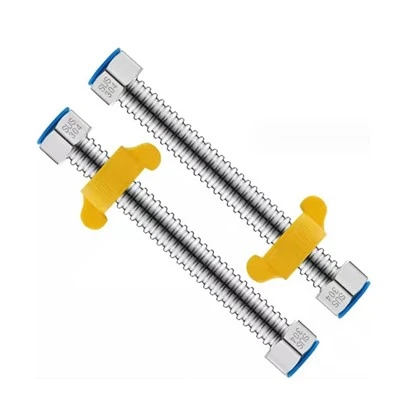
As a long - time supplier of sanitary rubber hoses, I've witnessed firsthand the importance of ensuring high - quality products in the market. A sanitary rubber hose, such as the Braided Toilet Hose, is a crucial component in many plumbing systems. Its quality can directly affect the efficiency and safety of the water supply and drainage in your facilities. In this post, I'll share some key methods to test the quality of a sanitary rubber hose.
Physical Inspection
Appearance
The first step in testing a sanitary rubber hose is a visual inspection. A high - quality hose should have a smooth and even surface. Any cracks, bubbles, or unevenness can indicate manufacturing defects. For example, if there are small bubbles on the outer layer of the hose, it might be a sign that the rubber was not properly mixed during the production process. This can weaken the structure of the hose and make it more prone to breakage over time.
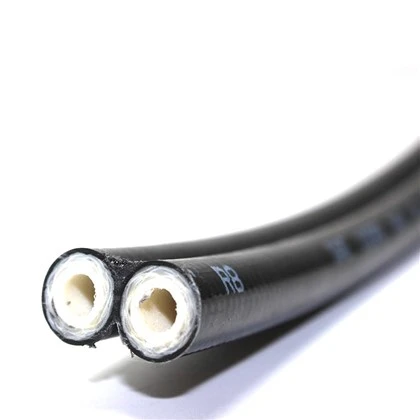
The color of the hose should also be consistent. Fading or discoloration can be a sign of exposure to harsh chemicals or improper storage conditions. In addition, check the markings on the hose. Legible and accurate markings indicate that the manufacturer follows proper production standards. The markings should include information such as the hose's size, pressure rating, and material composition.
Dimensions
Accurate dimensions are essential for a sanitary rubber hose. Measure the inner and outer diameters of the hose using a caliper. The inner diameter should match the specifications provided by the manufacturer. A deviation in the inner diameter can affect the flow rate of water through the hose. If the inner diameter is too small, it can cause a reduction in water pressure and potentially lead to blockages.
The length of the hose should also be checked. It should be within the tolerance range specified. A hose that is too short or too long may not fit properly in the intended installation, which can lead to leaks or other plumbing issues.
Mechanical Testing
Tensile Strength
Tensile strength is a measure of the maximum amount of stress a hose can withstand before breaking when pulled. To test the tensile strength of a sanitary rubber hose, a sample of the hose is clamped between two fixtures of a tensile testing machine. The machine then applies a steadily increasing force until the hose breaks.
A high - quality sanitary rubber hose should have sufficient tensile strength to withstand normal handling and installation. For example, during installation, the hose may be pulled or bent, and it needs to be able to resist these forces without tearing. Industry standards usually specify a minimum tensile strength for different types of sanitary rubber hoses.
Elongation at Break
Elongation at break refers to the percentage increase in the length of a hose sample when it is pulled to the point of breaking. This property is important because it indicates the flexibility and ductility of the rubber. A hose with good elongation at break can withstand stretching and bending without losing its integrity.
During testing, as the tensile force is applied, the change in the length of the hose is measured. A higher elongation at break value generally means that the hose can adapt better to different installation conditions. For instance, in some tight - space installations, the hose may need to be bent and stretched, and a hose with high elongation at break can handle these stresses without cracking.
Burst Pressure
Burst pressure is the maximum pressure that a hose can withstand before it ruptures. This is a critical test for sanitary rubber hoses, especially those that will be used in high - pressure applications. A burst pressure test is conducted using a pressure testing system. The hose is filled with water or another appropriate fluid, and the pressure is gradually increased until the hose bursts.
Manufacturers typically specify the burst pressure rating for their hoses. It's important to ensure that the burst pressure of the hose you're using is higher than the maximum operating pressure in your plumbing system. This provides a safety margin and reduces the risk of hose failure.


Chemical Resistance Testing
Resistance to Water
Sanitary rubber hoses are constantly in contact with water. Therefore, they need to have good resistance to water absorption. Excessive water absorption can cause the rubber to swell, which can lead to a decrease in mechanical properties and potentially cause leaks.
To test water resistance, a sample of the hose is immersed in water for a specified period at a controlled temperature. After the immersion period, the sample is removed, dried, and weighed. The increase in weight is then calculated as a percentage, which indicates the water absorption rate. A lower water absorption rate is preferable, as it means the hose is more resistant to the effects of water.
Resistance to Chemicals
In addition to water, sanitary rubber hoses may come into contact with various chemicals, such as cleaning agents in the plumbing system. Different types of rubber have different levels of chemical resistance. For example, nitrile rubber is generally more resistant to oil - based chemicals, while EPDM rubber has good resistance to UV light and ozone.
To test chemical resistance, samples of the hose are immersed in different chemical solutions for a set period. After the immersion, the samples are examined for changes in appearance, such as swelling, cracking, or discoloration. The mechanical properties of the samples, such as tensile strength and elongation at break, are also tested to determine if the chemicals have had a negative impact.
Leak Testing
Leak testing is one of the most important quality tests for a sanitary rubber hose. A leaking hose can lead to water damage, loss of water pressure, and other plumbing problems. There are several methods for leak testing:
Pressure Decay Test
In a pressure decay test, the hose is filled with air or water and then sealed at both ends. The pressure inside the hose is monitored over a period of time. If the pressure drops significantly, it indicates that there is a leak in the hose. This method is relatively simple and can detect both small and large leaks.
Bubble Test
The bubble test is a more visual method of leak testing. The hose is submerged in a tank of water, and air is pumped into the hose. If there are any leaks in the hose, bubbles will form at the leak points. This method is particularly useful for detecting small leaks that may not be easily detected by the pressure decay test.
Aging Resistance Testing
Over time, sanitary rubber hoses are exposed to various environmental factors, such as heat, light, and oxygen, which can cause them to age and deteriorate. Aging resistance testing is used to simulate the long - term effects of these environmental factors on the hose.
One common method is the oven aging test. A sample of the hose is placed in an oven at a controlled high temperature for a specified period. After aging, the mechanical properties of the sample, such as tensile strength and elongation at break, are tested. A high - quality sanitary rubber hose should maintain a significant portion of its original properties after aging.
As a supplier of sanitary rubber hoses, I understand that quality is of the utmost importance to our customers. We conduct these comprehensive tests on all our products to ensure that they meet the highest standards. If you are in the market for sanitary rubber hoses, or if you have any questions about our testing methods or products, I encourage you to contact us for a detailed discussion. We would be more than happy to assist you in finding the right sanitary rubber hose for your needs and provide you with professional advice on installation and maintenance.
References
- ASTM International Standards on Rubber Hoses
- ISO Standards for Sanitary Rubber Products
- Rubber Manufacturers Association Technical Documents on Hose Quality and Testing