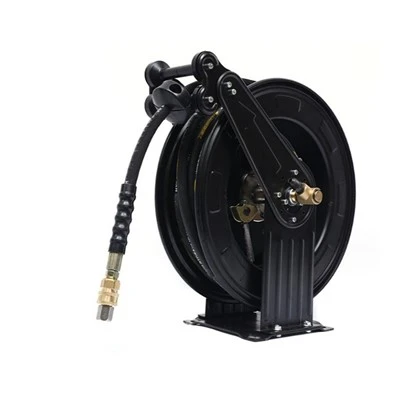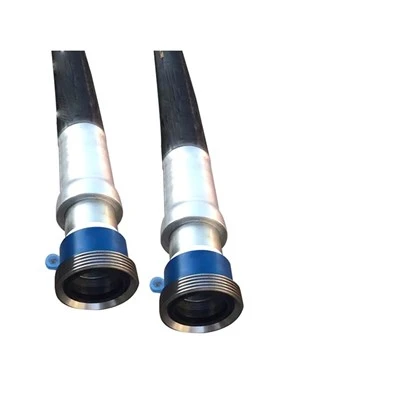
As a supplier of thermoplastic hoses, I've witnessed firsthand the diverse and crucial roles these hoses play across numerous industries. Thermoplastic hoses are known for their flexibility, durability, and resistance to a wide range of chemicals and environmental conditions. In this blog, I'll explore the main applications of thermoplastic hoses and how they contribute to the efficiency and safety of various operations.
Industrial Manufacturing
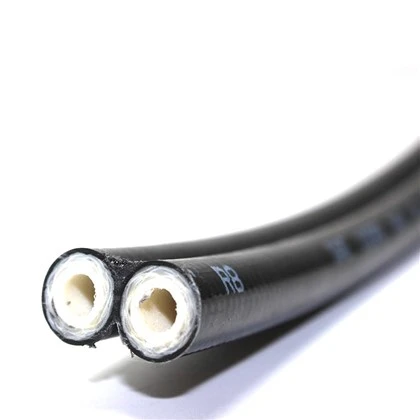
In industrial manufacturing settings, thermoplastic hoses are used extensively for fluid transfer. They are commonly employed in the conveyance of hydraulic fluids, lubricants, and coolants. For example, in automotive manufacturing plants, thermoplastic hoses are used to transfer hydraulic fluids in the assembly line machinery. These hoses need to withstand high pressures and temperatures while maintaining flexibility to ensure smooth operation. The R8 Thermoplastic Hose is an excellent choice for such applications due to its high-pressure resistance and excellent chemical compatibility.
Another significant application in industrial manufacturing is the transfer of chemicals. Many manufacturing processes involve the use of corrosive chemicals, and thermoplastic hoses are designed to resist the degradation caused by these substances. They can safely transfer acids, alkalis, and other aggressive chemicals without the risk of leakage or contamination. This is crucial for maintaining the quality of the final product and ensuring the safety of the workers.
Agriculture
Agriculture is another sector that benefits greatly from the use of thermoplastic hoses. One of the primary applications is in irrigation systems. Thermoplastic hoses are lightweight and flexible, making them easy to install and maneuver around the fields. They can withstand exposure to sunlight, water, and various agricultural chemicals, ensuring long - term durability. Farmers can use these hoses to deliver water from wells, ponds, or other water sources to the fields, helping to ensure proper crop growth.
In addition to irrigation, thermoplastic hoses are also used for the transfer of fertilizers and pesticides. These hoses need to be resistant to the chemicals they carry to prevent contamination of the crops and the environment. The smooth inner surface of thermoplastic hoses allows for efficient flow of these substances, reducing the risk of clogging.
Construction
In the construction industry, thermoplastic hoses are used for a variety of purposes. One of the main applications is in concrete pumping. These hoses are designed to withstand high pressures and the abrasive nature of concrete. They can efficiently transfer concrete from the mixer to the construction site, ensuring a continuous and smooth flow. The flexibility of thermoplastic hoses allows them to be easily routed around obstacles on the construction site, making them a practical choice for this application.
Thermoplastic hoses are also used in construction for the transfer of water and other fluids. For example, they can be used in de - watering operations to remove excess water from construction sites. They are also used in fire - fighting systems on construction sites, providing a reliable means of transporting water to the areas where it is needed.
Food and Beverage Industry
The food and beverage industry has strict requirements for hygiene and safety. Thermoplastic hoses are an ideal choice for this industry due to their non - toxic and food - grade materials. They are used for the transfer of various food products, such as milk, fruit juices, and beer. These hoses need to be easy to clean and sanitize to prevent the growth of bacteria and other microorganisms.
The smooth inner surface of thermoplastic hoses ensures that there are no crevices or rough areas where food particles can accumulate. This helps to maintain the quality and safety of the food products during transfer. Additionally, thermoplastic hoses can withstand the temperature and pressure changes associated with food processing, making them a reliable choice for this critical industry.
Marine and Offshore
In the marine and offshore industry, thermoplastic hoses are used in a variety of applications. They are commonly used for fuel transfer on ships and offshore platforms. These hoses need to be resistant to the harsh marine environment, including saltwater, UV radiation, and extreme temperatures. They also need to be flexible enough to withstand the movement of the ship or platform.
Thermoplastic hoses are also used for the transfer of other fluids, such as water, lubricants, and hydraulic fluids, in marine and offshore operations. They play a crucial role in the maintenance and operation of various equipment on board, ensuring the smooth functioning of the vessels and platforms.
Renewable Energy
The renewable energy sector, particularly in wind and solar power generation, also makes use of thermoplastic hoses. In wind turbines, thermoplastic hoses are used for the transfer of hydraulic fluids in the pitch control system. This system is responsible for adjusting the angle of the wind turbine blades to optimize power generation. The hoses need to be able to withstand high pressures and vibrations, as well as temperature variations.
In solar power plants, thermoplastic hoses are used for the transfer of heat transfer fluids. These fluids are used to collect and transfer solar energy to the power generation system. The hoses need to be resistant to high temperatures and UV radiation to ensure long - term performance.
Medical Industry
In the medical industry, thermoplastic hoses are used for a variety of applications, including the transfer of gases and fluids. They are commonly used in oxygen delivery systems in hospitals, as well as in anesthesia machines. These hoses need to be made from medical - grade materials that are non - toxic and hypoallergenic.
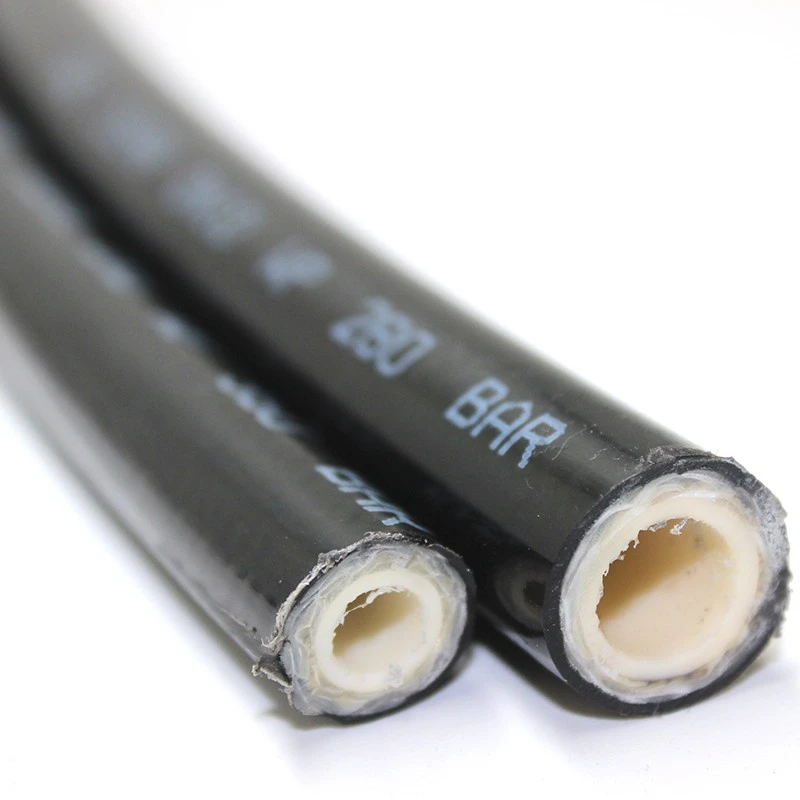

Thermoplastic hoses are also used in medical devices for the transfer of bodily fluids, such as blood and urine. They need to be sterile and have a smooth inner surface to prevent the formation of blood clots or the growth of bacteria.
Conclusion
The applications of thermoplastic hoses are vast and diverse, spanning across multiple industries. Their unique properties, such as flexibility, durability, and chemical resistance, make them an essential component in many operations. Whether it's in industrial manufacturing, agriculture, construction, or other sectors, thermoplastic hoses play a crucial role in ensuring the efficiency, safety, and quality of the processes.
If you're in need of high - quality thermoplastic hoses for your specific application, I encourage you to reach out to us. We have a wide range of thermoplastic hoses, including the R8 Thermoplastic Hose, that can meet your requirements. Contact us to start a purchase negotiation and find the perfect hose solution for your needs.
References
- "Handbook of Thermoplastic Elastomers", Second Edition, by B. M. Walker and C. P. Rader.
- "Industrial Hoses: Selection, Use, and Maintenance" by various industry experts.