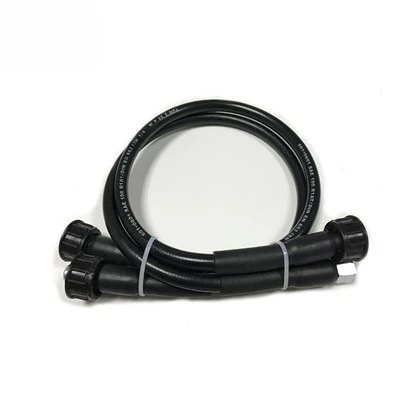
Hey there! As an experienced abrasive sandblast hose supplier, I get asked a lot about how to pick the right hose for different applications. It's not as straightforward as it might seem at first glance, but don't worry! I'm here to break it down and help you make an informed decision.
Understanding the Basics of Sandblast Hoses
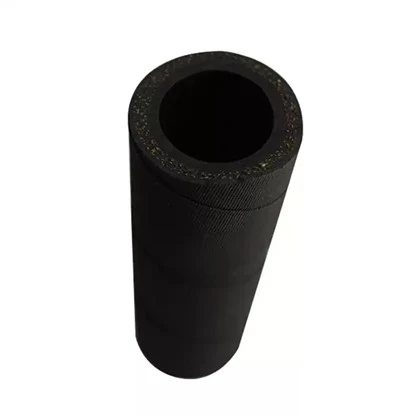
First things first, let's talk about what a Sandblast Hose is and what it does. A sandblast hose is a critical component in sandblasting operations. It's the conduit that carries the abrasive media from the blast pot to the nozzle, allowing you to clean, prepare, or finish a surface. Whether you're working on a small DIY project or a large industrial job, having the right hose can make a huge difference in efficiency and safety.
Factors to Consider When Choosing a Sandblast Hose
1. Abrasive Media
The type of abrasive media you're using is a major factor in hose selection. Different abrasives have varying levels of hardness and abrasiveness. For example, if you're using a soft abrasive like baking soda, you might not need as heavy-duty a hose as you would if you were using a hard abrasive like garnet or aluminum oxide. Hard abrasives can wear down the inner lining of the hose more quickly, so you'll want a hose with a thick, durable inner layer.
2. Pressure Rating
The pressure at which your sandblasting equipment operates is another crucial consideration. You need to choose a hose that can handle the maximum pressure of your system. If the pressure is too high for the hose, it could burst, causing serious safety hazards. On the other hand, if you choose a hose with a much higher pressure rating than you need, you'll end up paying more for a feature you don't require. Most sandblast hoses have a specified working pressure, so make sure to check this before making a purchase.
3. Hose Diameter
The diameter of the hose affects the flow rate of the abrasive media. A larger diameter hose allows for a higher flow rate, which can increase the efficiency of your sandblasting operation. However, it's important to match the hose diameter to your equipment and the specific requirements of your job. If the hose is too large, it might not fit properly with your blast pot or nozzle, and if it's too small, it could restrict the flow of the abrasive media.
4. Length of the Hose
The length of the hose you need depends on the size and layout of your work area. A longer hose gives you more flexibility to move around, but it also increases the pressure drop in the system. This means that you might need to increase the pressure of your equipment to maintain an effective flow rate. On the other hand, a shorter hose reduces the pressure drop but limits your mobility. Consider the distance between your blast pot and the work surface when choosing the length of your hose.
5. Environment and Conditions
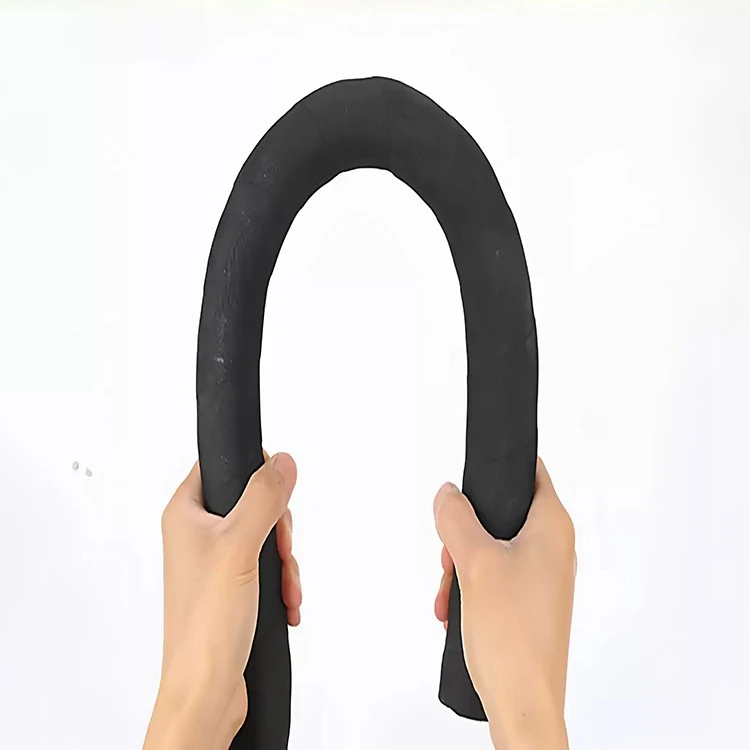
The environment in which you'll be using the sandblast hose is also an important factor. If you're working in a cold climate, you'll need a hose that can withstand low temperatures without becoming brittle. Similarly, if you're working in a hot or humid environment, the hose should be resistant to heat and moisture. Additionally, if you're working in a tight or confined space, you might need a more flexible hose that can bend easily without kinking.
6. Inner Lining Material
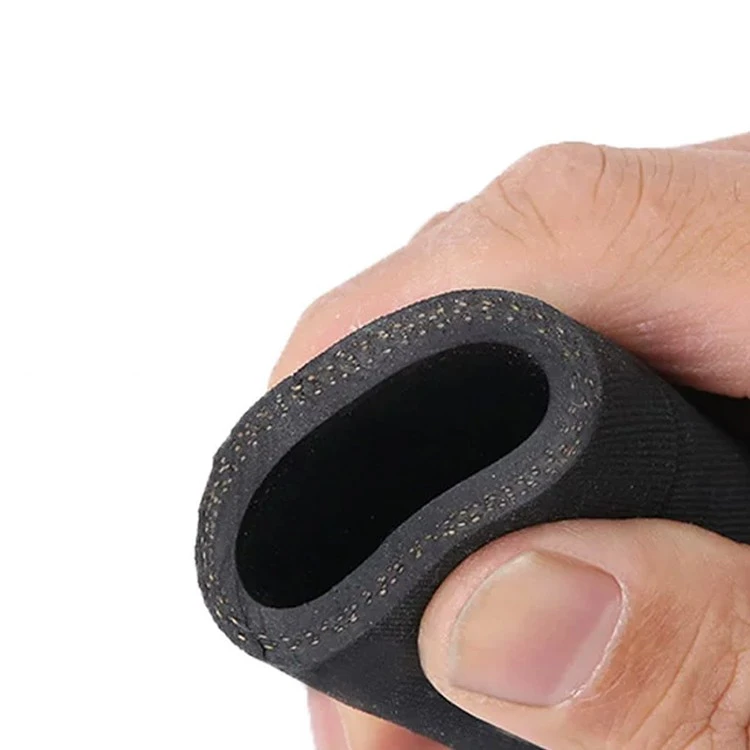
The inner lining of the sandblast hose is the part that comes into direct contact with the abrasive media. Different materials have different levels of abrasion resistance. Common inner lining materials include natural rubber, synthetic rubber, and polyurethane. Natural rubber is a good all-purpose material, but it might not be as resistant to abrasion as synthetic rubber or polyurethane. Polyurethane linings are known for their excellent abrasion resistance, but they can be more expensive.
7. Outer Cover Material
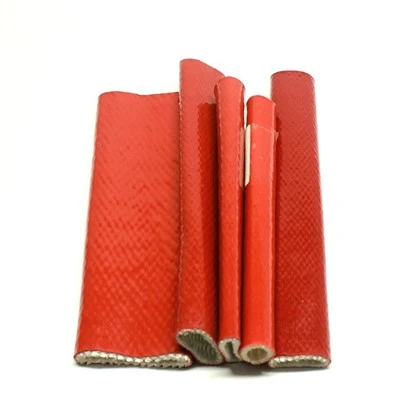
The outer cover of the hose protects it from external damage, such as cuts, abrasions, and UV rays. It also provides some flexibility and durability. Common outer cover materials include rubber, PVC, and thermoplastic. Rubber covers are flexible and resistant to abrasion, while PVC covers are lightweight and resistant to chemicals. Thermoplastic covers offer a good balance of flexibility, durability, and chemical resistance.
Different Types of Applications and Suitable Hoses
1. Small DIY Projects
If you're working on a small DIY project, like cleaning or refinishing a small metal object or a piece of furniture, you can probably get away with a smaller, less expensive sandblast hose. A hose with a smaller diameter (e.g., 1/4 inch or 3/8 inch) and a shorter length (e.g., 10 to 20 feet) should be sufficient. Look for a hose with a basic inner lining material like natural rubber and a flexible outer cover.
2. Automotive and Marine Applications
In automotive and marine applications, you'll often be dealing with larger surfaces and more demanding conditions. You'll need a hose that can handle a higher flow rate of abrasive media and is resistant to chemicals and saltwater. A hose with a larger diameter (e.g., 1/2 inch or 5/8 inch) and a longer length (e.g., 20 to 50 feet) is usually a good choice. Consider a hose with a synthetic rubber or polyurethane inner lining and a chemical-resistant outer cover.
3. Industrial Applications
Industrial sandblasting operations, such as cleaning large metal structures or preparing surfaces for painting, require high-performance sandblast hoses. These hoses need to be able to withstand high pressures, heavy abrasion, and continuous use. Look for hoses with thick, durable inner linings (e.g., polyurethane) and tough outer covers. A larger diameter hose (e.g., 3/4 inch or 1 inch) and a longer length (e.g., 50 to 100 feet or more) might be necessary.
Maintenance and Care of Sandblast Hoses
Once you've chosen the right sandblast hose for your application, it's important to take good care of it to ensure its longevity and performance. Here are some tips:
- Inspect Regularly: Check the hose for any signs of wear, such as cracks, cuts, or bulges. If you notice any damage, replace the hose immediately to prevent accidents.
- Clean After Use: After each use, flush the hose with water to remove any remaining abrasive media. This helps prevent clogging and extends the life of the hose.
- Store Properly: Store the hose in a cool, dry place away from direct sunlight and sharp objects. Coil the hose neatly to prevent kinking.
Conclusion
Choosing the right abrasive sandblast hose for your application is a crucial step in ensuring the success and safety of your sandblasting operations. By considering factors such as the abrasive media, pressure rating, hose diameter, length, environment, inner lining material, and outer cover material, you can select a hose that meets your specific needs. Remember to take good care of your hose to keep it in top condition.
If you're still not sure which sandblast hose is right for you, or if you have any other questions, feel free to reach out. I'm here to help you make the best choice for your project. Whether you're a DIY enthusiast or a professional in the industrial sector, we have a wide range of Sandblast Hose options to meet your requirements. Let's get in touch to discuss your specific needs and start a successful partnership!
References
- Abrasive Blasting Equipment Handbook
- Industrial Hose Selection Guide
- Sandblasting Safety Standards and Best Practices